





When decorating a home, it’s easy to fall for items that look good in a store or online but don’t work well in real life. Many homeowners later realize that some popular home buys create clutter, reduce comfort, or simply don’t age well. Interior designers often see the same mistakes repeated choices that seem exciting at first but end up being impractical or visually overwhelming.
This long-form, original guide breaks down 10 common home purchases that designers frequently advise against, along with why they don’t work and what to consider instead. The goal isn’t to restrict creativity, but to help you make smarter, long-lasting decisions for your space.Modern interior design is no longer just about appearance. Today, homes are designed to support daily routines, personal comfort, and flexible living. Smart interior trends focus on making spaces more practical, warm, and visually balanced—without overdoing décor or following short-term fads.
1. Oversized Furniture for Small Spaces
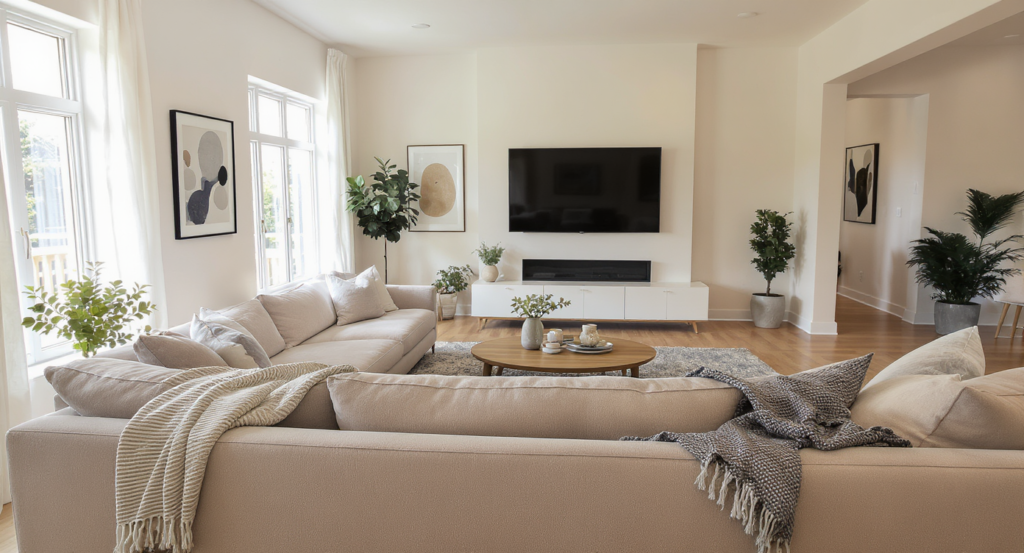
Large sofas and bulky furniture may look luxurious, but in smaller homes they often overpower the room. Oversized pieces restrict movement, make spaces feel cramped, and limit layout flexibility.
Why designers avoid it:
- Reduces visual balance
- Makes rooms feel smaller
- Limits future rearranging
Better choice:
Opt for well-proportioned furniture with clean lines. Modular or multi-functional seating works better in compact spaces.
2. Trend-Only Decor With No Long-Term Appeal
Trendy items can be tempting, but many lose their charm quickly. What feels stylish today may look dated in a year or two.
Common examples:
- Overly themed décor
- Mass-produced statement signs
- Loud patterns with no versatility
Designer advice:
Use trends sparingly through cushions, art, or accessories items that are easy to replace without redoing the entire room.
3. Furniture That Prioritizes Looks Over Comfort
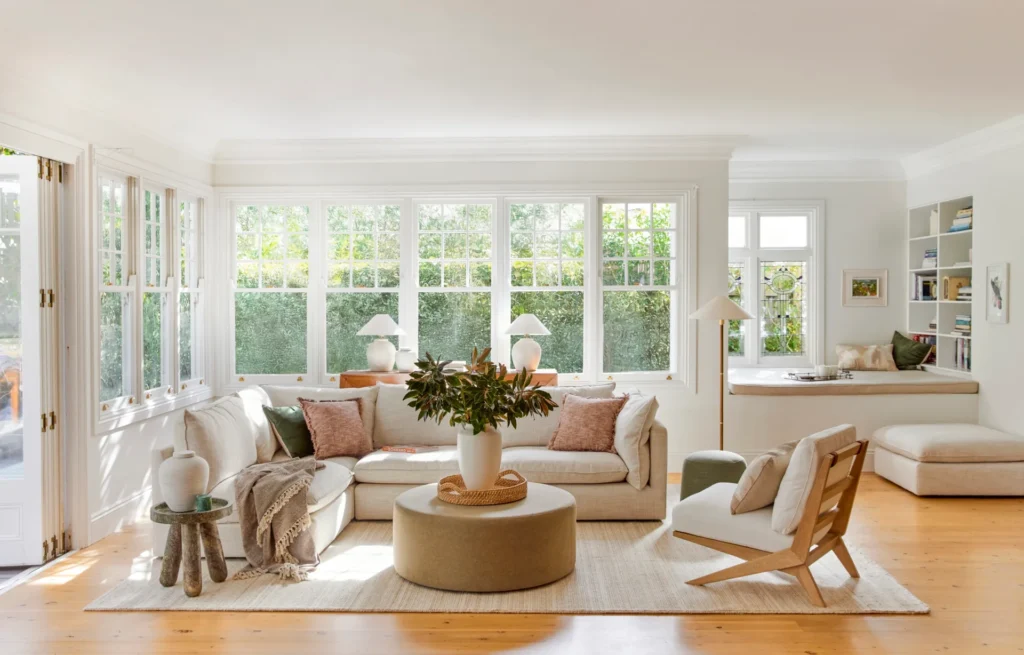
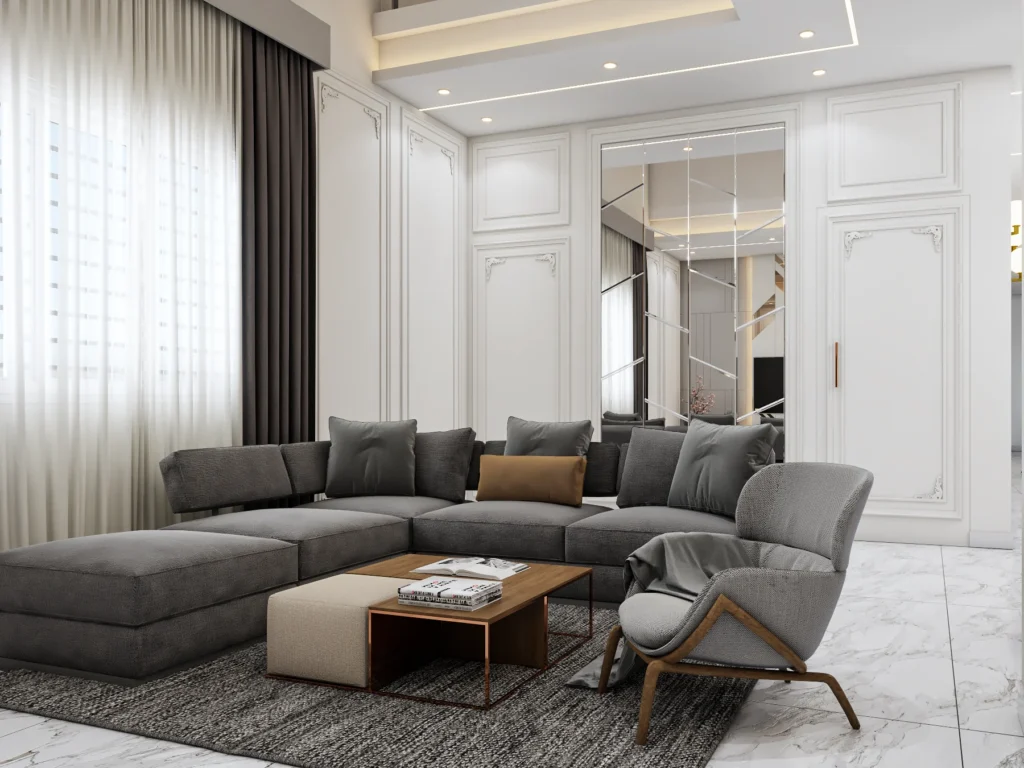

Some furniture looks stunning but is uncomfortable for everyday use. Hard seating, awkward shapes, or shallow sofas often become regrets.
Why it’s a mistake:
- Reduces usability
- Guests avoid using it
- Comfort suffers long-term
Smarter alternative:
Always test comfort first. A beautiful piece should also support how you live and relax.
4. Cheap Materials That Wear Out Quickly
Low-quality materials may save money upfront but often cost more over time due to replacements and repairs.
Common issues:
- Peeling finishes
- Sagging cushions
- Weak joints and frames
Designer insight:
Buy fewer, better-quality pieces instead of filling rooms with items that won’t last.
5. Matching Everything Too Perfectly
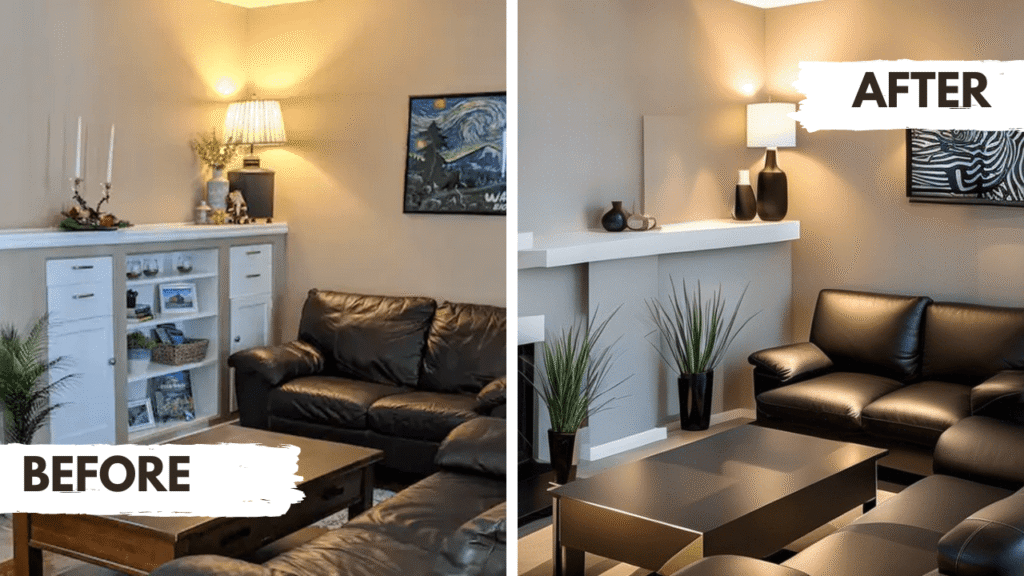
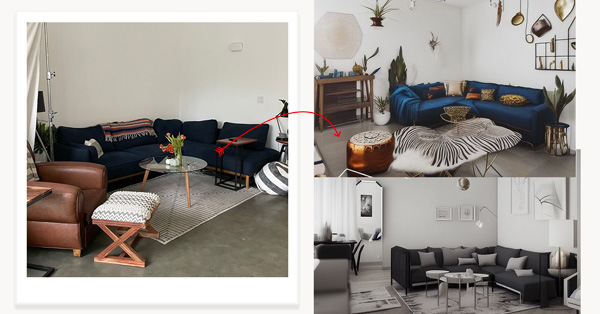
Rooms where everything matches exactly can feel flat and lifeless. Over-coordinated interiors often lack personality.
Why designers discourage this:
- Feels staged, not lived-in
- Lacks depth and contrast
- Ages quickly
Better approach:
Mix textures, tones, and finishes to create a layered, natural look.
6. Rugs That Are Too Small

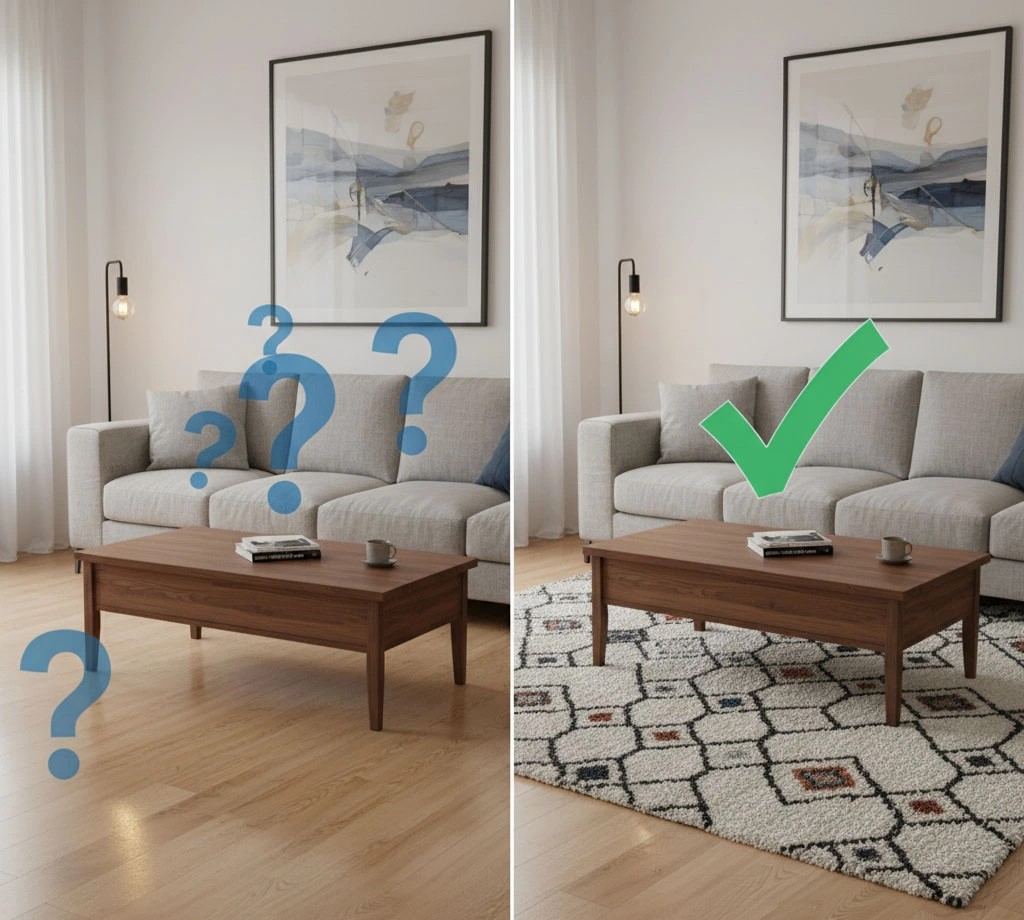
One of the most common design mistakes is choosing rugs that don’t fit the space properly.
Why it matters:
- Makes furniture look disconnected
- Breaks visual flow
- Shrinks the room visually
Designer tip:
A rug should anchor the furniture, not float in the middle of the room.
7. Decorative Items With No Function
While decor is important, filling a space with items that serve no purpose can quickly create clutter.
Examples include:
- Excessive figurines
- Unnecessary trays or bowls
- Décor that blocks usable surfaces
Smarter choice:
Choose decor that also serves a function—like storage baskets, lamps, or mirrors.
8. Poor Lighting Choices

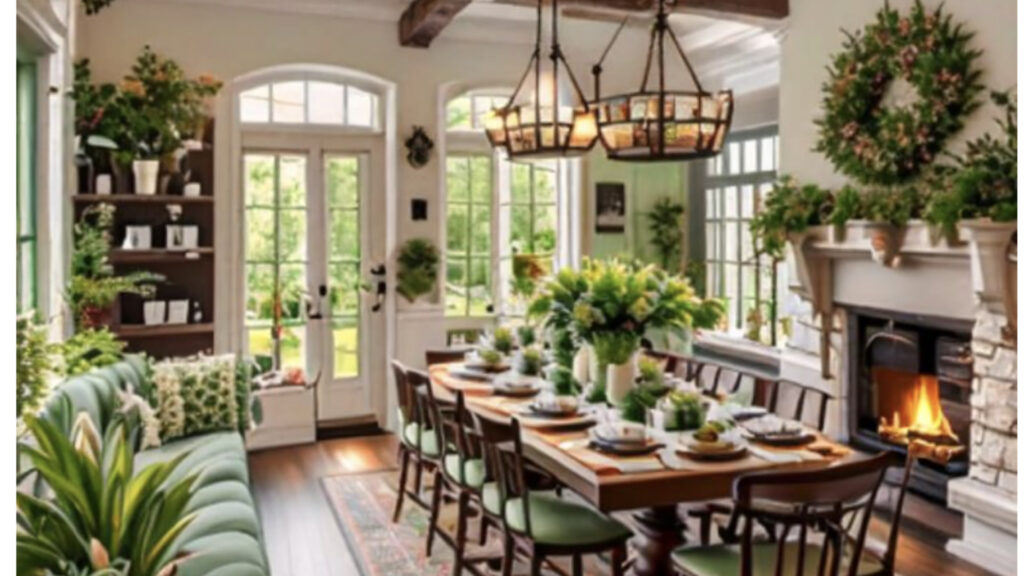
Relying on a single overhead light is a common mistake. Poor lighting can ruin even the best-designed room.
Why designers avoid it:
- Creates harsh shadows
- Lacks flexibility
- Reduces comfort
Better solution:
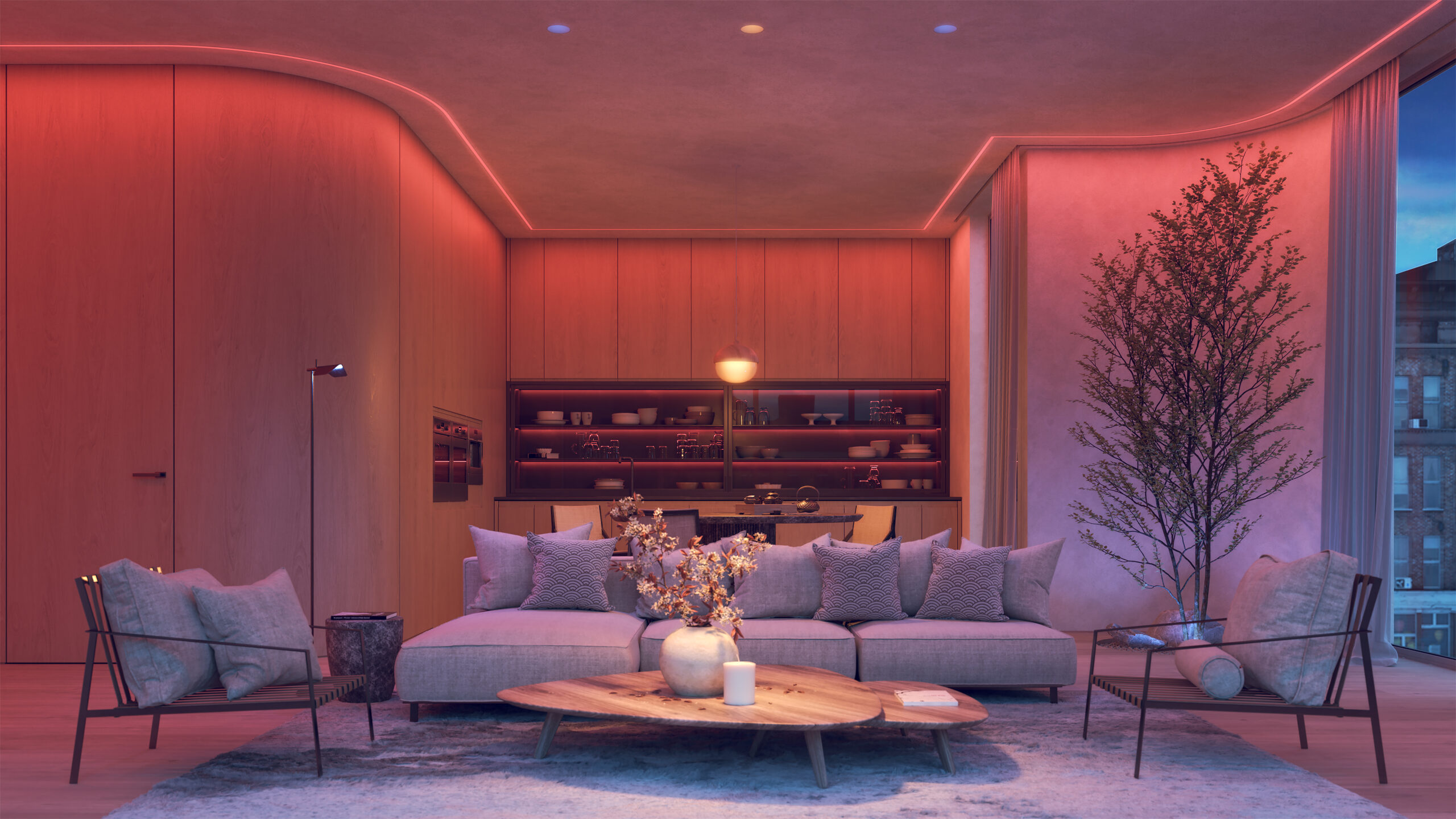
Use layered lighting—ambient, task, and accent—to suit different moods and activities.
9. Overly Bold Colors Without Balance
Bold colors can be exciting, but too much can overwhelm a space.
Common problems:
- Visual fatigue
- Limited décor options later
- Difficult resale appeal
Designer suggestion:
Use strong colors as accents and balance them with neutral tones.
10. Buying Without Measuring First

Impulse buys often lead to furniture that doesn’t fit properly through doors or within the room.
Why this happens:
- No measurement of room dimensions
- Ignoring doorways and hallways
- Guessing instead of planning
Always do this:
Measure twice—room size, wall space, and access points—before purchasing anything.
Final Thoughts
Designing a home isn’t about following rules it’s about making choices that support comfort, functionality, and long-term satisfaction. Many common home-buying mistakes happen because items look good in isolation but don’t work within real living spaces.
By avoiding these frequent pitfalls and focusing on thoughtful, intentional purchases, you can create a home that not only looks good today but continues to feel right for years to come.