





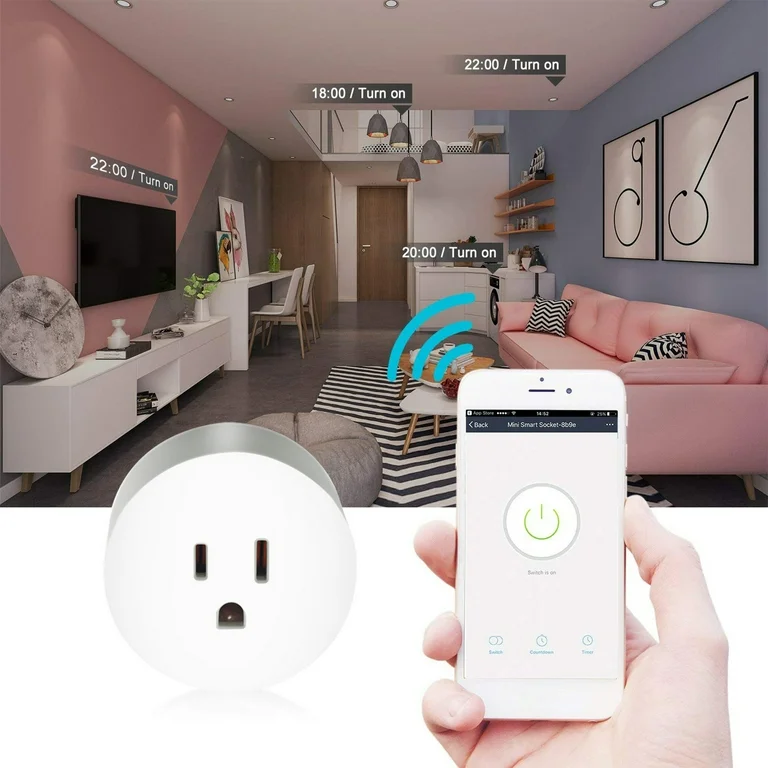


Smart plugs are designed to address this everyday reality by adding control, awareness, and flexibility to ordinary electrical outlets — without changing the devices themselves.
This article explains what smart plugs are, how they work, and why they have become a practical part of light consumer tech.
What a Smart Plug Actually Is
A smart plug is a compact device that sits between a wall outlet and a standard electrical appliance. Once connected, it allows users to control power flow digitally rather than manually.
At its core, a smart plug:
- Controls on/off power remotely
- Works with ordinary appliances
- Does not require rewiring
- Adds intelligence to non-smart devices
It upgrades the outlet, not the appliance.
Why Traditional Power Use Is Inefficient
Many household devices consume power even when they appear to be off. This “standby power” adds up quietly over time.
Common examples include:
- Phone chargers left plugged in
- Lamps switched off but connected
- Entertainment systems in standby mode
Smart plugs address this inefficiency by giving users clearer control.
How Smart Plugs Fit Into Daily Routines
Smart plugs are not about constant interaction. Their value lies in automation and consistency.
They are commonly used to:
- Turn devices off at set times
- Ensure appliances are not left running
- Reduce manual checking
Once set up, they work quietly in the background.
Remote Control and Everyday Convenience
One of the defining features of smart plugs is remote access. Users can check and control power even when they are away from home.
This supports:
- Peace of mind
- Reduced unnecessary power use
- Better awareness of device status
Convenience comes from visibility, not constant use.
GHome Smart Plug Review: Easy Alexa & Google Home Smart Outlet for Every Home
Scheduling: The Most Practical Feature
Scheduling is where smart plugs become truly useful. Devices can be set to turn on or off automatically based on time.
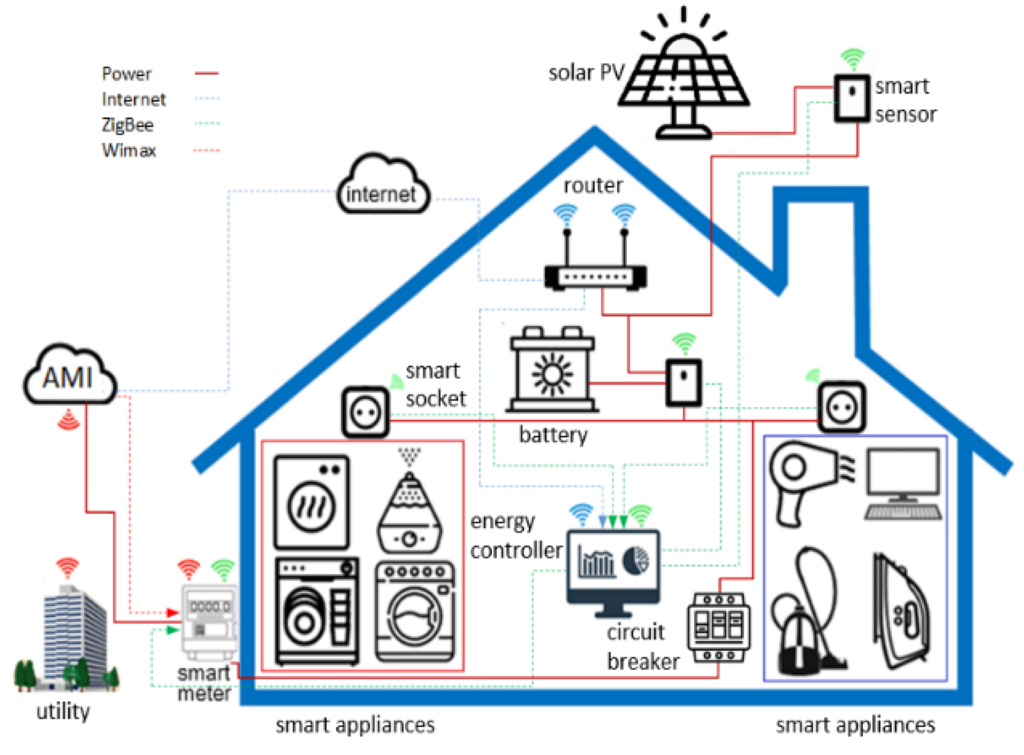
Common scheduling uses include:
- Turning lights off late at night
- Powering devices only during certain hours
- Managing daily routines consistently
This removes reliance on memory.
Energy Awareness Without Complexity
Some smart plugs offer basic energy usage insights. While not professional meters, they help users understand general consumption patterns.
This awareness helps:
- Identify always-on devices
- Adjust usage habits
- Reduce unnecessary power draw
Information encourages smarter decisions.
Smart Plugs as Entry-Level Home Tech
Unlike complex home automation systems, smart plugs require minimal setup. This makes them an accessible starting point for everyday users.
They are often:
- Easy to install
- App-based
- Low commitment
They introduce smart control without technical barriers.
Safety and Controlled Power Use
Smart plugs can also support safer power habits by limiting how long devices stay powered.
This is useful for:
- Heaters or irons
- Decorative lighting
- Devices prone to being left on
Control reduces risk through predictability.
Limitations to Understand
Smart plugs are simple tools, and they have limits.
They:
- Do not reduce power usage automatically
- Cannot control device behavior beyond power
- Depend on stable connectivity
They support habits — they do not replace them.
Why Smart Plugs Belong in Light Consumer Tech
Smart plugs represent technology that solves a narrow, real problem without overcomplicating daily life.
They fit this category because they:
- Focus on one function
- Blend into routines
- Improve awareness rather than demand attention
Their usefulness comes from restraint.
Final Thought
Smart plugs do not change what devices do — they change how we manage them. By adding control, scheduling, and visibility to ordinary outlets, they help households use electricity more intentionally.
In a tech landscape filled with complex devices, the smart plug stands out by doing something simple, quietly, and consistently well.
FAQ
1. What voice assistants are compatible with the GHome Smart Plug?
The GHome Smart Plug works with Amazon Alexa and Google Assistant, allowing you to control connected devices using simple voice commands.
2. Does the GHome Smart Plug require a hub?
No. It connects directly to your 2.4GHz Wi-Fi network and does not require a separate smart home hub.
3. Can I control the smart plug remotely?
Yes. Using the companion mobile app, you can turn connected devices on or off from anywhere with an internet connection.
4. Does the smart plug support scheduling and timers?
Yes. You can create custom schedules, countdown timers, and automation routines to automatically control lights, fans, coffee makers, and other appliances.
5. Is the GHome Smart Plug easy to set up?
Yes. Simply plug it into a wall outlet, connect it to your 2.4GHz Wi-Fi network, pair it with the app, and you’re ready to use it.
6. Can I use the smart plug with lamps and small appliances?
Yes. It’s suitable for controlling devices such as lamps, fans, coffee makers, holiday lights, humidifiers, and other compatible household appliances within its rated capacity.