





An AC significantly affects comfort, energy bills, and even indoor air quality. Whether you’re buying your first unit or replacing an old one, understanding capacity, efficiency, features, and space requirements helps you make a smarter decision. This guide breaks down everything you need to consider before buying an AC.
Size and Cooling Capacity: What Do You Really Need?
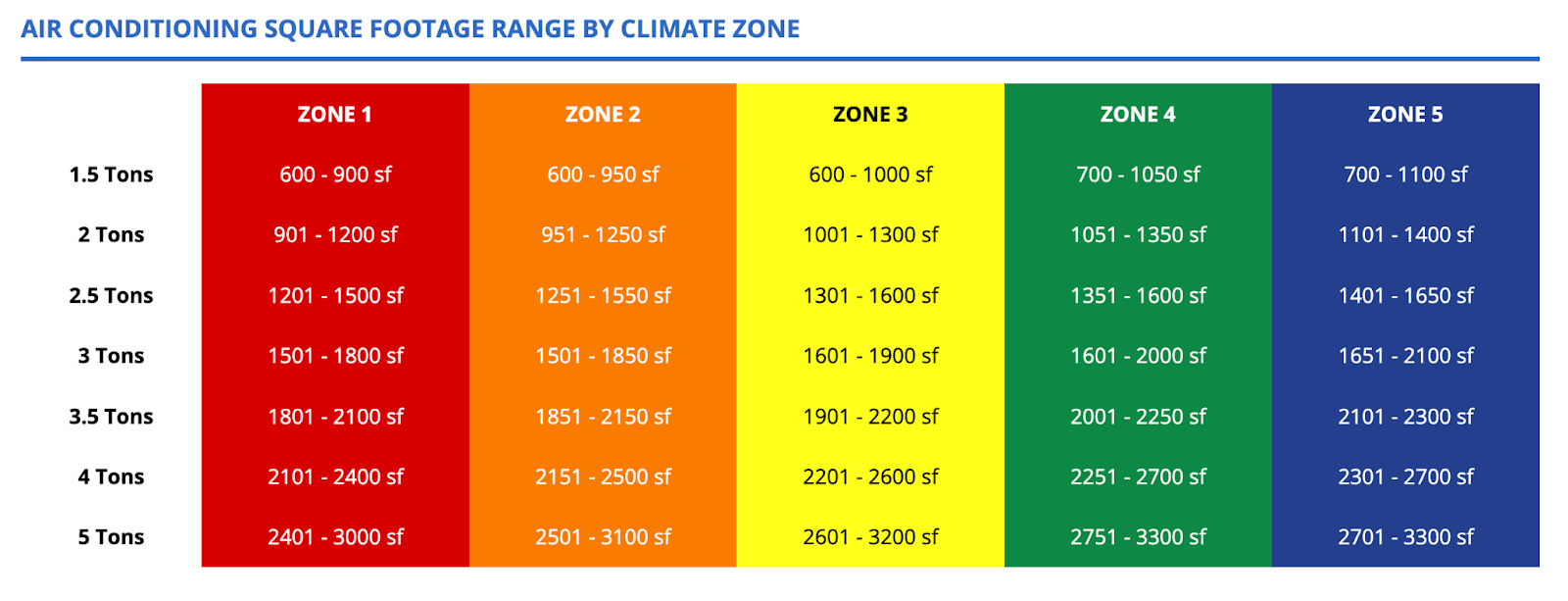
Air conditioners are rated by cooling capacity — usually in tons or BTUs. A unit that is too small won’t cool your room effectively, while a too-large unit wastes energy and may create uneven cooling.
How to choose:
- Small room (100–150 sq ft): ~0.75–1 ton
- Medium room (150–250 sq ft): ~1–1.5 ton
- Large room (250+ sq ft): 1.5–2 ton or more
Always consider ceiling height and sunlight exposure. A south-facing room may need a slightly larger capacity.
Inverter vs. Non-Inverter AC: What’s the Difference?
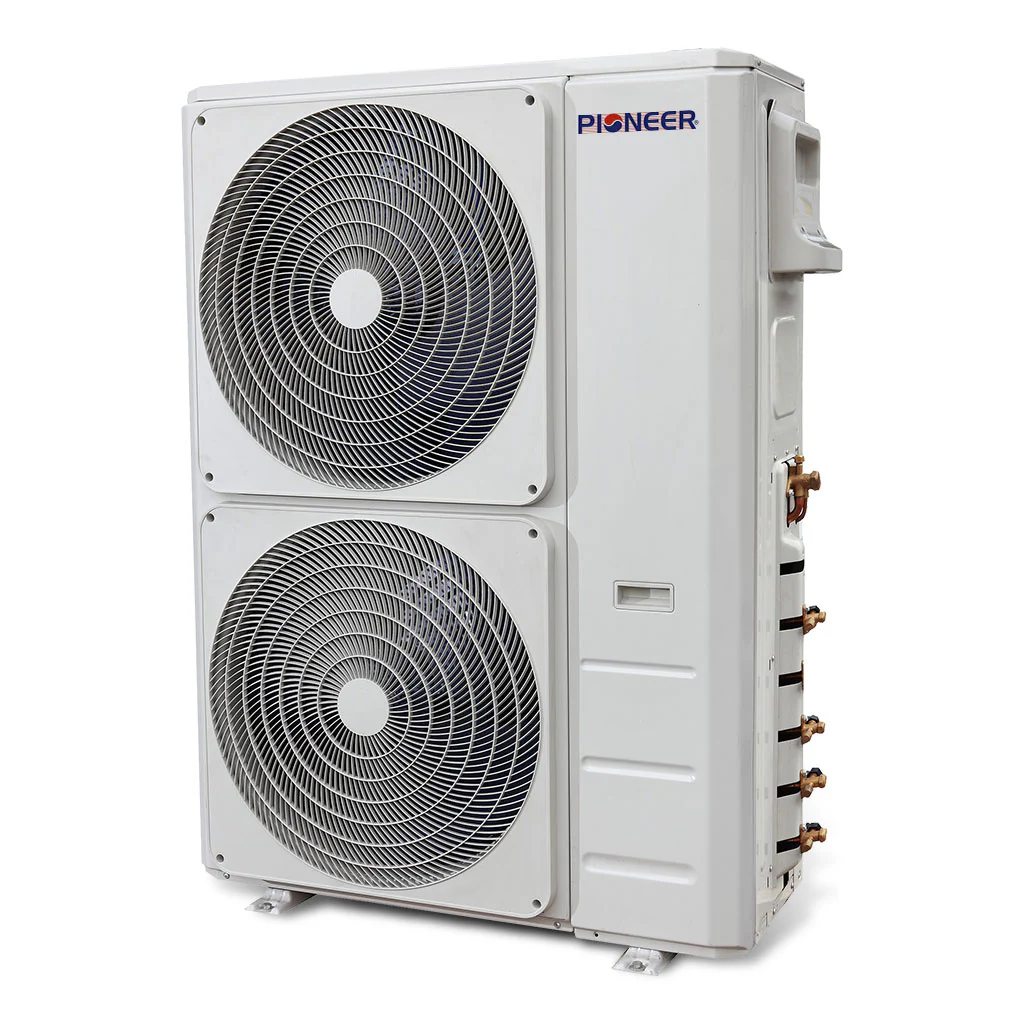
🔹 Non-Inverter AC
Traditional ACs run at full power until the temperature is reached, then turn off. This on-off cycle repeats, leading to higher energy use and uneven cooling.
🔹 Inverter AC
Inverter models adjust compressor speed continuously. This results in:
- Lower electricity bills
- More consistent room temperature
- Quieter operation
- Longer compressor life
If budget allows, always lean toward inverter technology — it saves money over time.
Energy Efficiency and Star Ratings
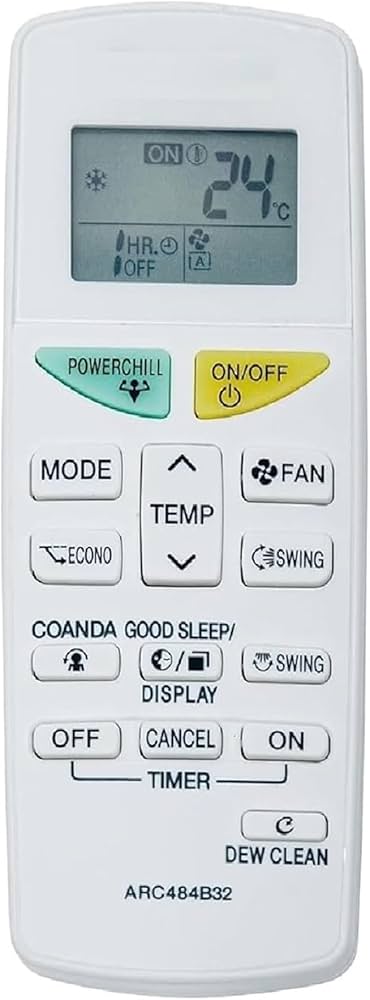
Energy efficiency determines operating cost. Look for:
- BEE Star Rating (in India) — 5★ is most efficient
- EER or COP ratings — higher means better performance
High-efficiency ACs cost more upfront but pay off through lower monthly electricity bills.
Types of Air Conditioners: Which Fits Your Space?

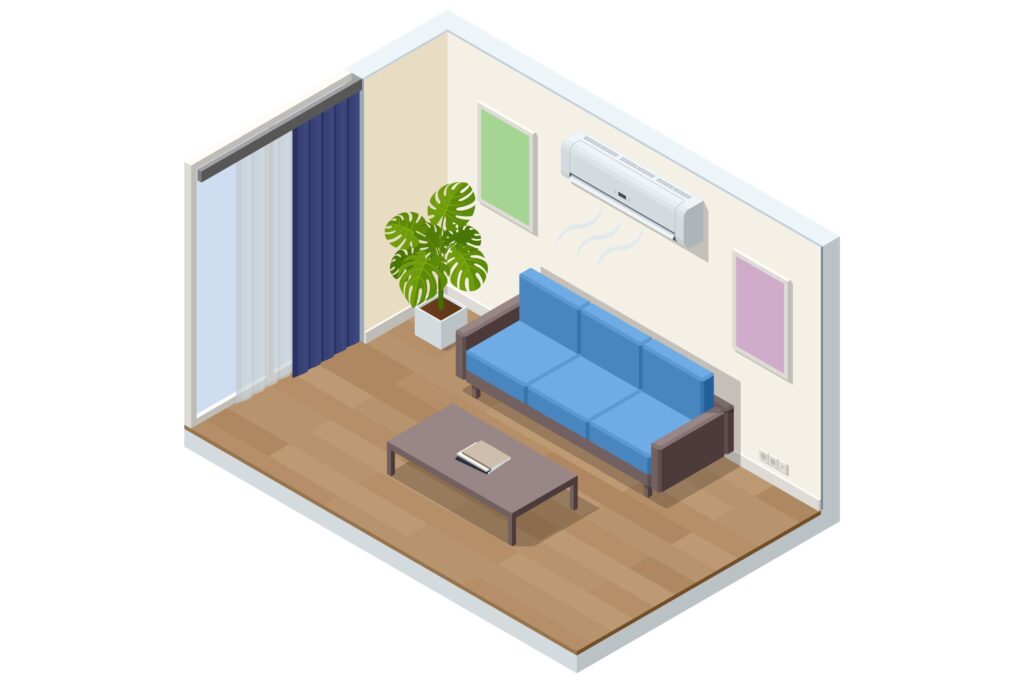
🔹 Split AC
Most popular for homes. Quiet indoor unit + outdoor compressor.
Works well for living rooms and bedrooms.
🔹 Window AC
All-in-one unit fits into window or wall opening.
Better for smaller rooms and budget setups.
🔹 Portable AC
Easy to move, no permanent installation.
Best for renters or temporary cooling.
🔹 Tower AC
Tall standing units with wide airflow.
Ideal for larger living areas.
Noise Levels: More Important Than You Think
Noise impacts comfort, especially in bedrooms or study rooms. Look for:
- Indoor unit noise ≤ 40 dB (quiet)
- Compressor noise ≤ 50 dB (moderate)
Inverter ACs generally run quieter due to variable compressor speeds.
Installation and Warranty

Professional installation ensures:
🔹 Proper drainage
🔹 Correct pipe insulation
🔹 Stable mounting
Don’t install AC yourself — incorrect setup reduces efficiency and may void warranty.
Also check:
- Service network availability
- Compressor warranty (usually 5–10 years)
- Full product warranty
Budget Tips for Smart Buying
✔ Set clear needs first (room size, daily use)
✔ Don’t over-size capacity unnecessarily
✔ Prioritize efficiency (5★ inverter)
✔ Compare installation and warranty costs
✔ Check seasonal offers
Investing a little more upfront often saves dollars long-term via energy bills and durability.
Final Thoughts
Choosing the right air conditioner requires balancing comfort, efficiency, and long-term value. Focus on capacity, energy ratings, inverter technology, and essential features. A well-chosen AC doesn’t just cool a room it improves daily living with reliable performance and cost-effective operation. With the right choice, every summer becomes more comfortable and less expensive.