


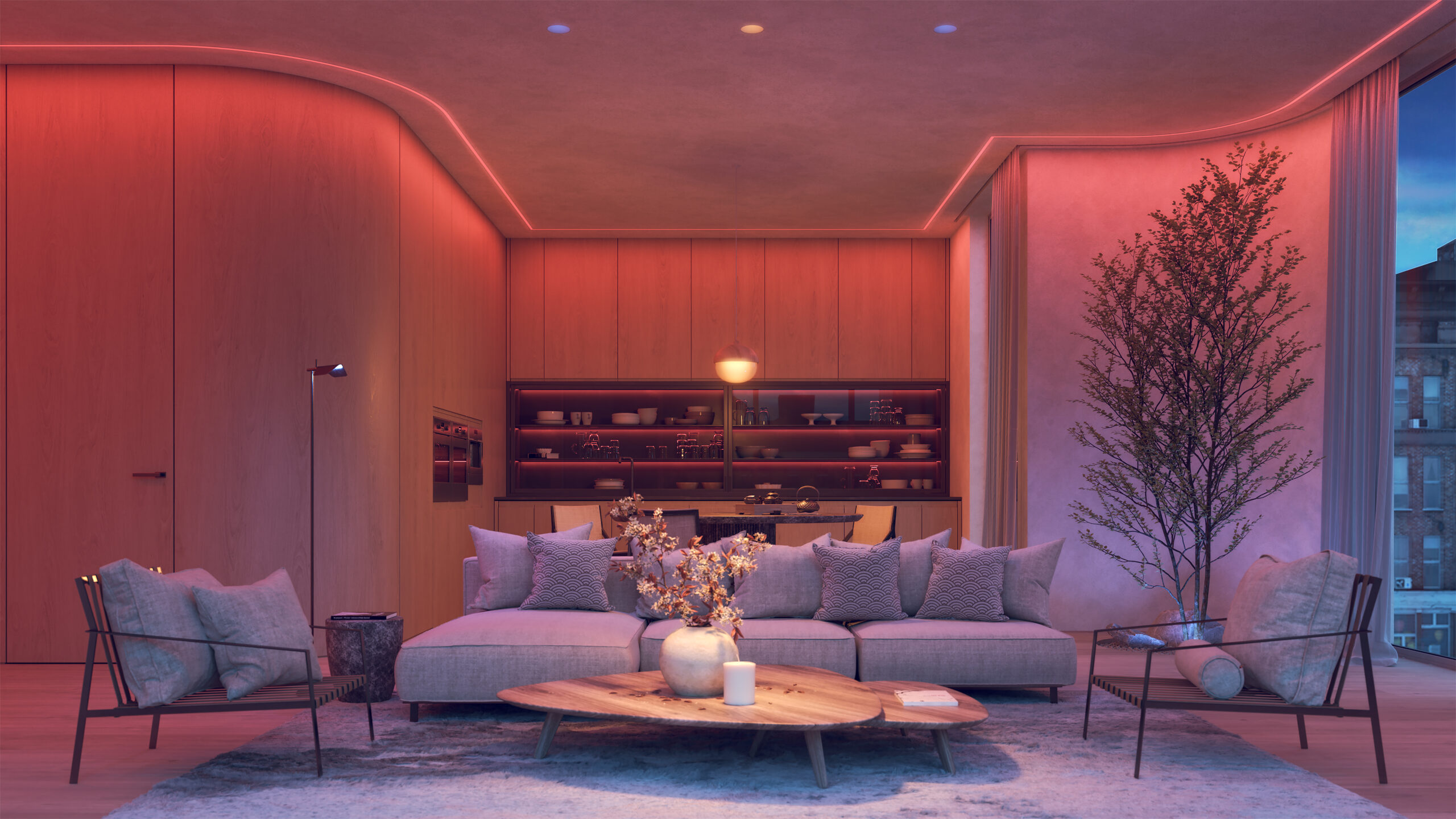


It is shaped by how effortlessly it functions. Storage plays a central role in that experience. When storage is thoughtful, spaces feel calm, organized, and breathable. When it is poorly planned, even the most beautiful interiors can feel crowded and chaotic. Modern home design is increasingly focused on storage solutions that improve daily living without drawing attention to themselves.
Why Clutter Impacts More Than Appearance
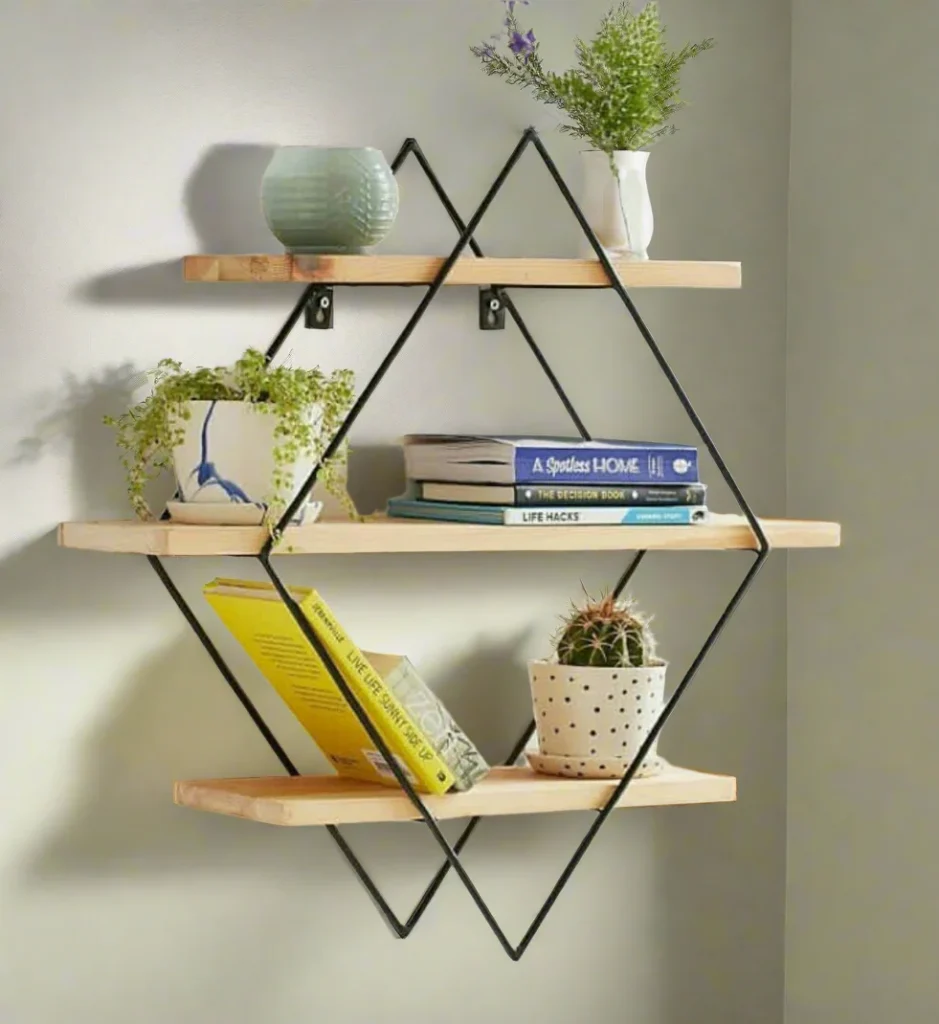
Clutter does more than affect visual aesthetics. It creates mental distraction. Items without a designated place often accumulate in visible areas, making rooms feel smaller and more stressful. Thoughtful storage reduces visual noise, allowing the mind to relax within the space. A room that feels orderly supports focus, comfort, and better daily flow.
Designing Storage That Blends Into the Architecture
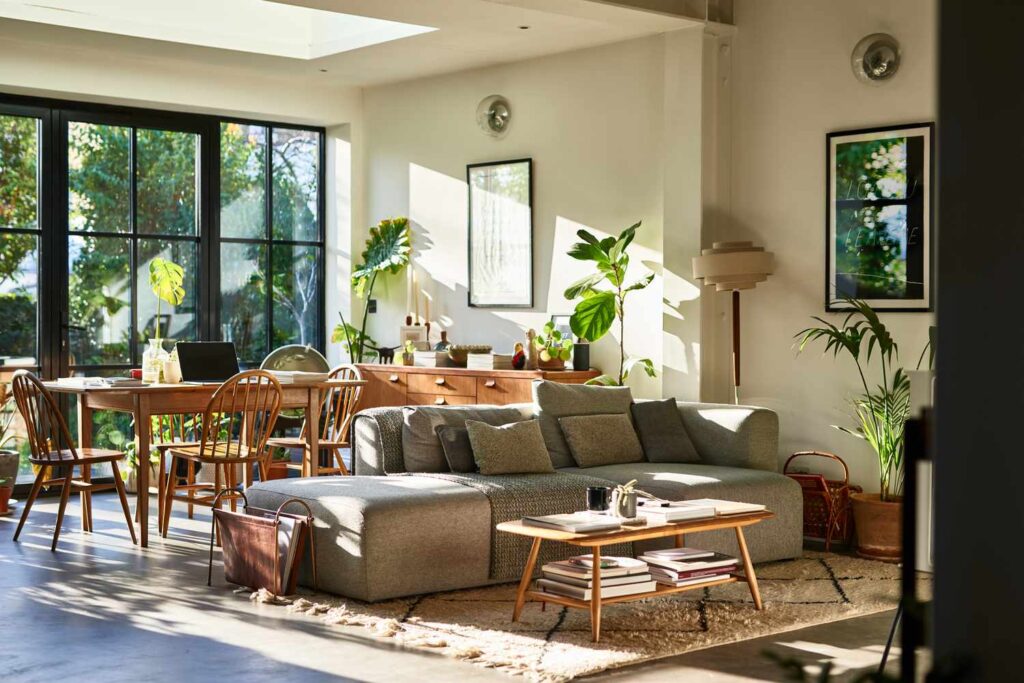
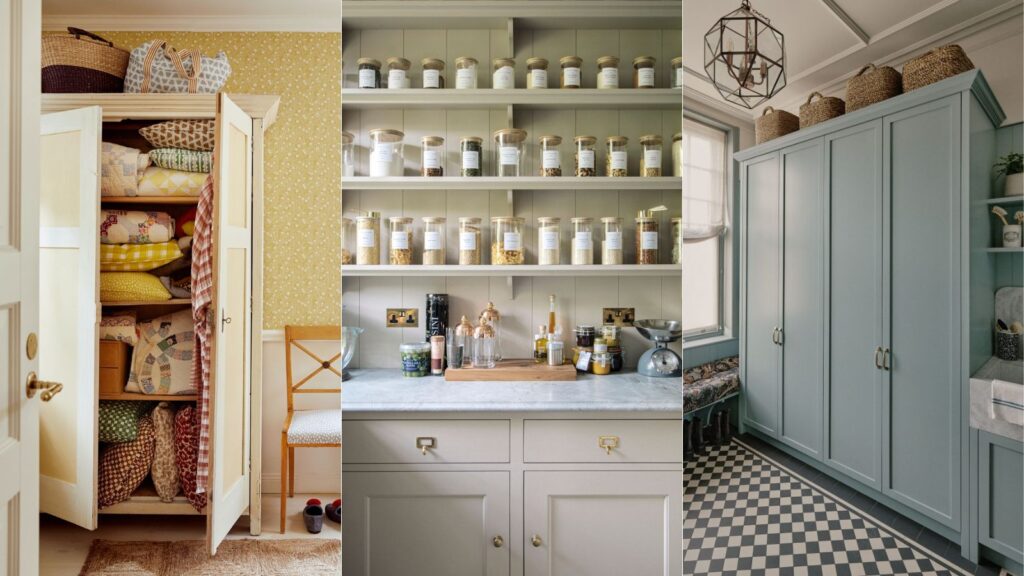
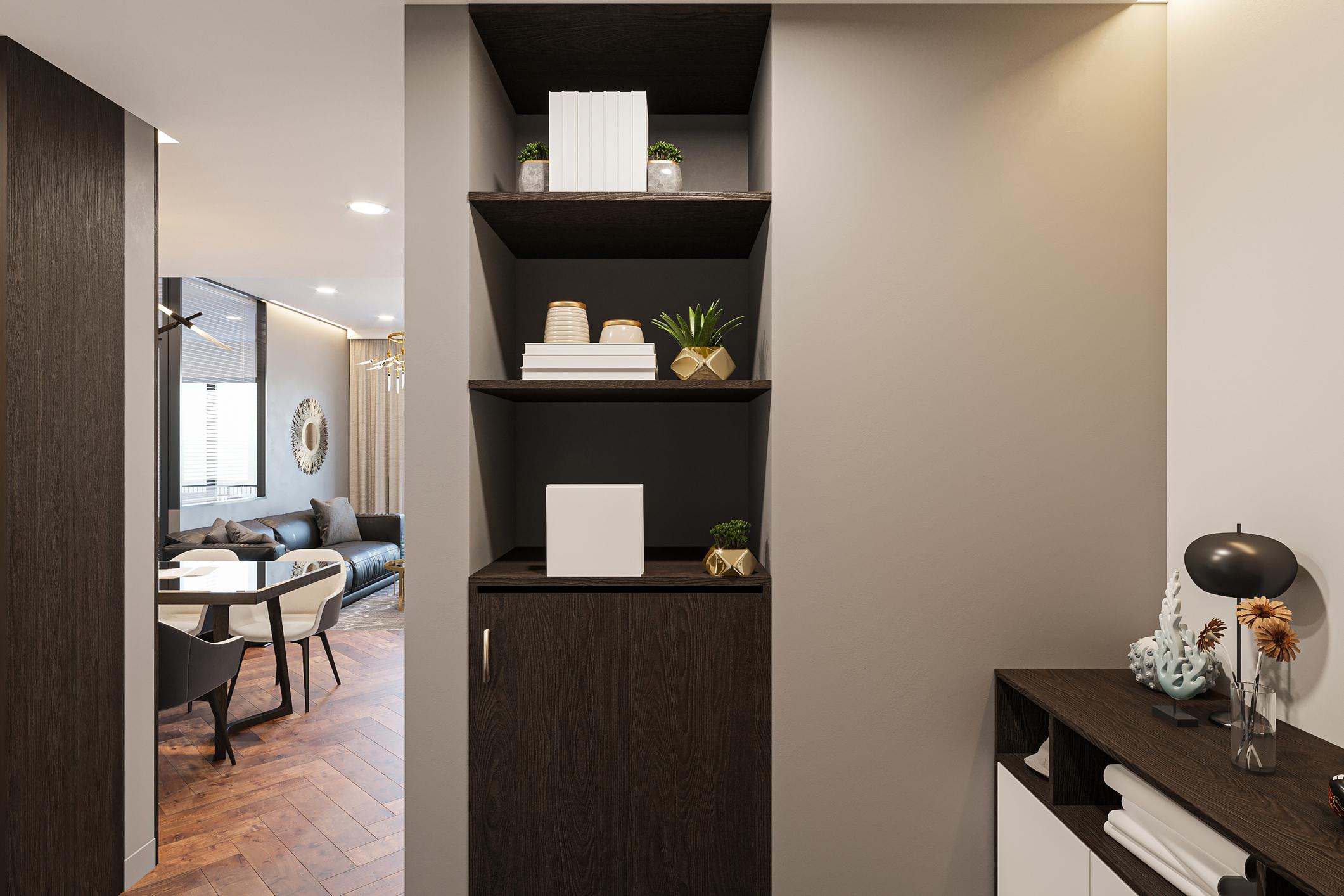
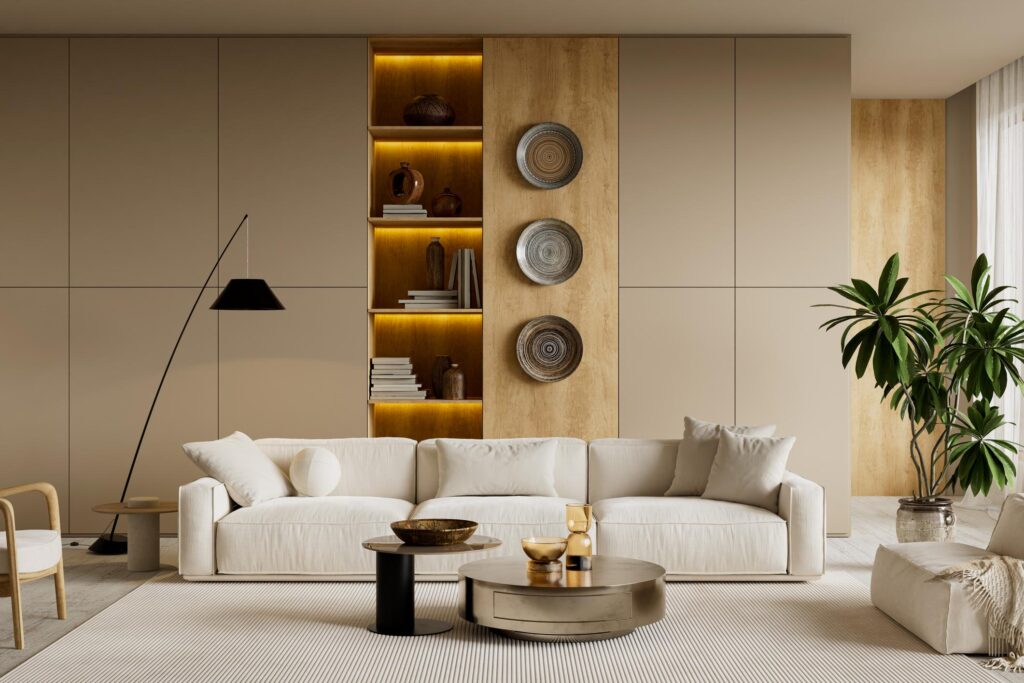
The most effective storage solutions feel like part of the home’s structure rather than added furniture. Built-in cabinets, recessed shelving, and concealed compartments maintain clean lines while offering functionality. When storage is integrated into walls and layouts, it supports minimalism without sacrificing practicality.
Multi-Functional Furniture as a Space Solution
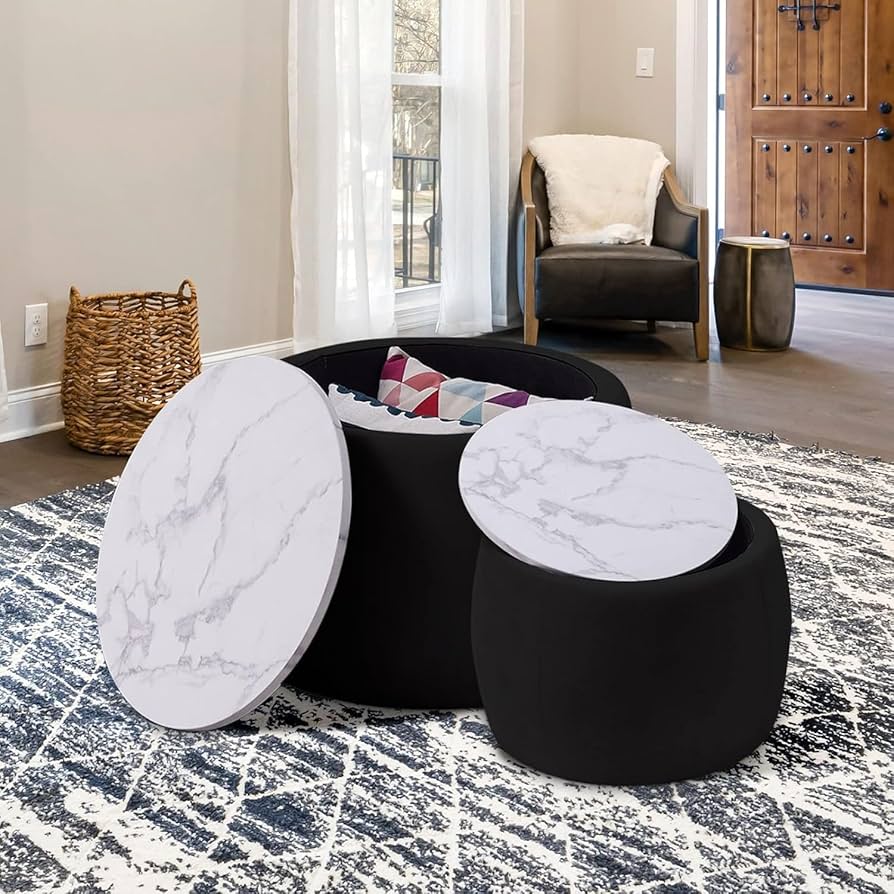
In modern homes, especially compact ones, furniture often serves more than one purpose. Storage beds, ottomans with hidden compartments, and coffee tables with internal shelving reduce the need for extra cabinets. These pieces maximize usability while keeping rooms visually balanced.
The Role of Vertical Space in Smart Storage
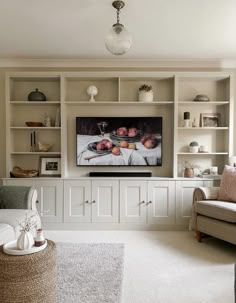
Many homes underuse vertical space. Tall shelving, wall-mounted units, and ceiling-height cabinets create additional storage without consuming floor area. Using vertical design keeps pathways clear and makes rooms feel more open.
Open Shelving Versus Closed Cabinets
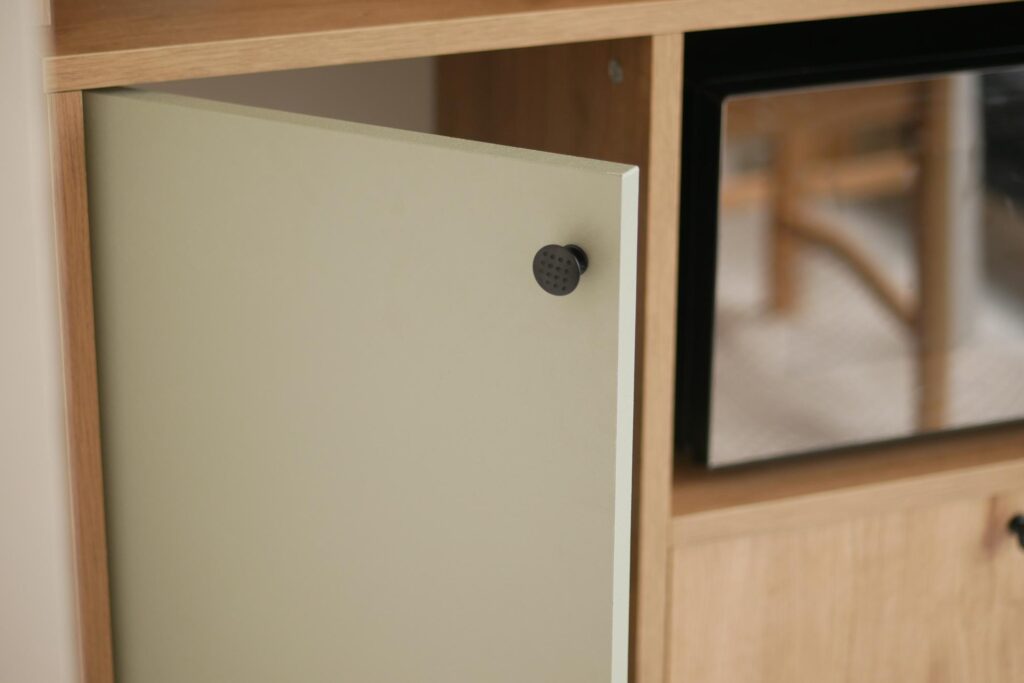
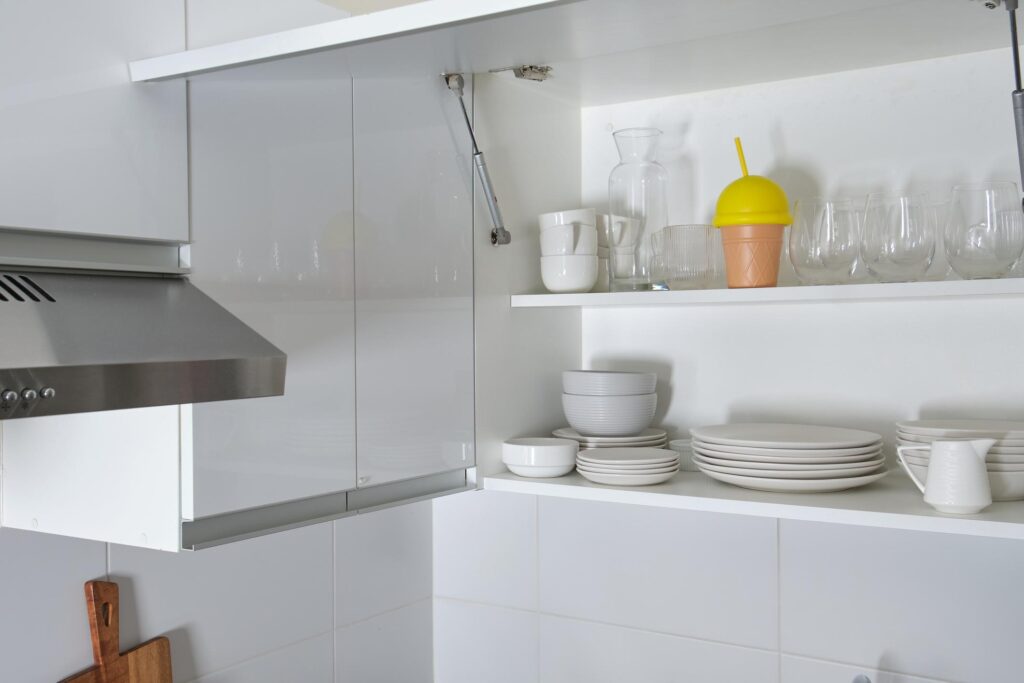
Open shelving adds personality and accessibility, while closed cabinets maintain a cleaner visual appearance. A balanced combination of both creates harmony. Frequently used items remain accessible, while less aesthetic objects stay concealed.
Storage That Supports Daily Routines
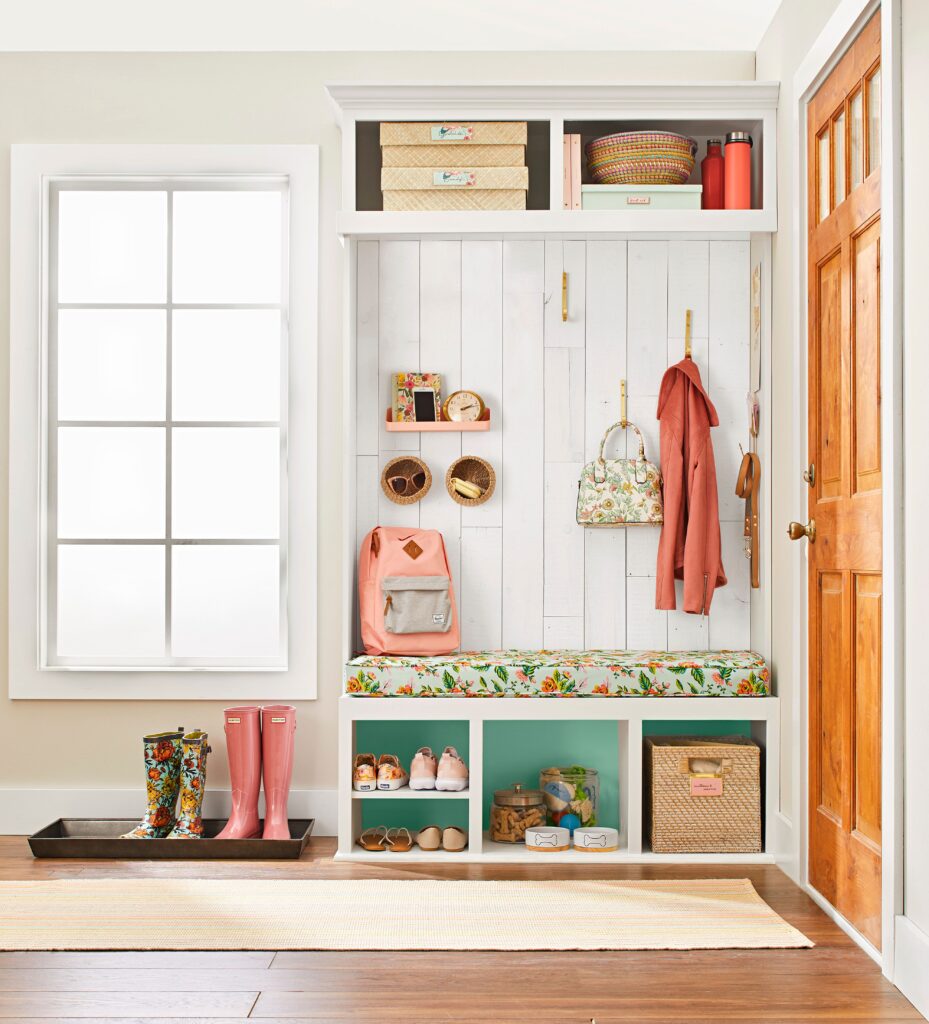
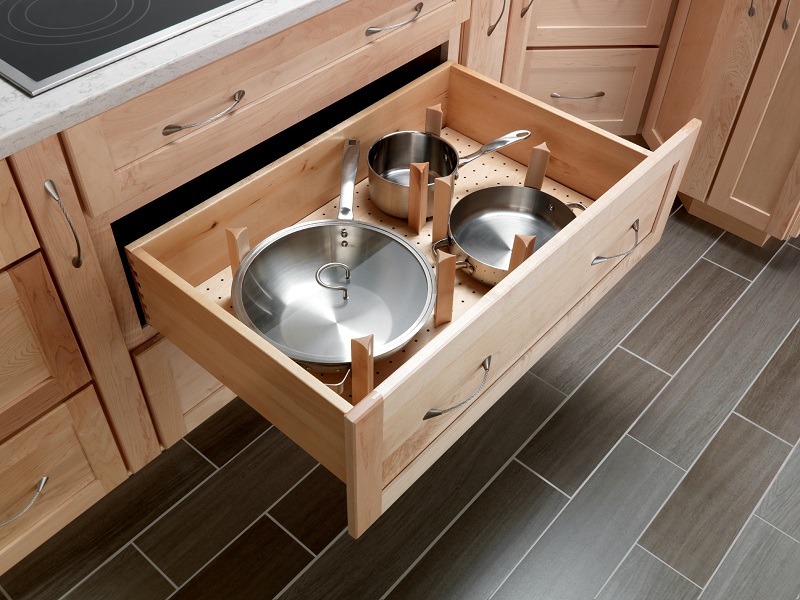
Effective storage design aligns with daily habits. Entryway organizers, kitchen drawer dividers, and wardrobe systems make routines smoother. When items are stored where they are naturally used, movement within the home becomes intuitive.
Hidden Storage for a Cleaner Aesthetic
Concealed storage is increasingly popular in modern interiors. Hidden panels, under-stair compartments, and minimalist cabinetry maintain visual simplicity. This approach keeps surfaces clear while still accommodating practical needs.
Light and Storage Working Together
Storage areas should not feel dark or heavy. Integrated lighting within shelves and cabinets enhances visibility and adds warmth. Proper lighting ensures storage solutions remain functional and visually appealing.
Why Storage Planning Should Begin Early
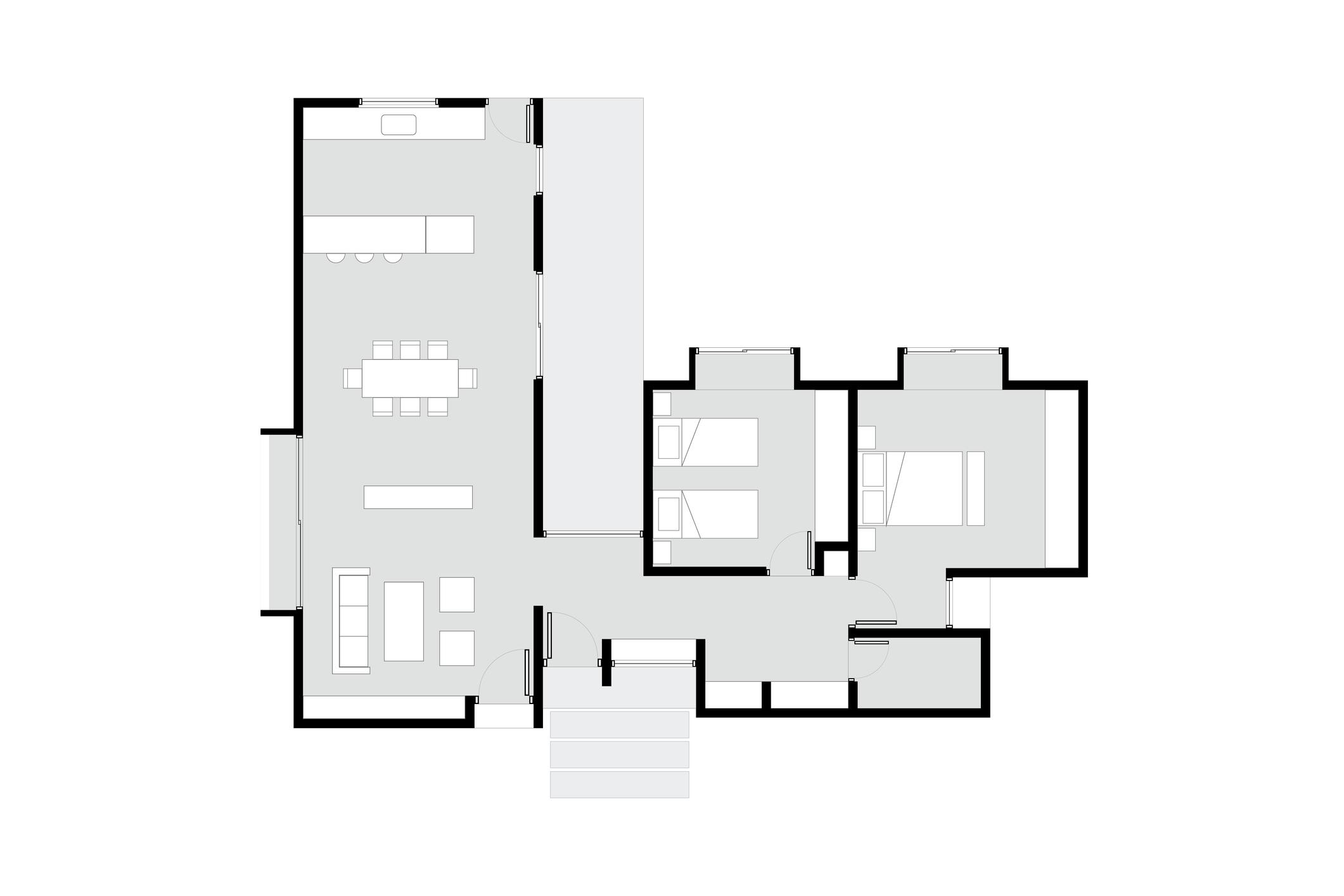
The most successful storage systems are considered during early design stages rather than added later. Planning ensures balance between openness and functionality. It also prevents the need for bulky furniture additions that disrupt layout harmony.
Long-Term Benefits of Thoughtful Storage
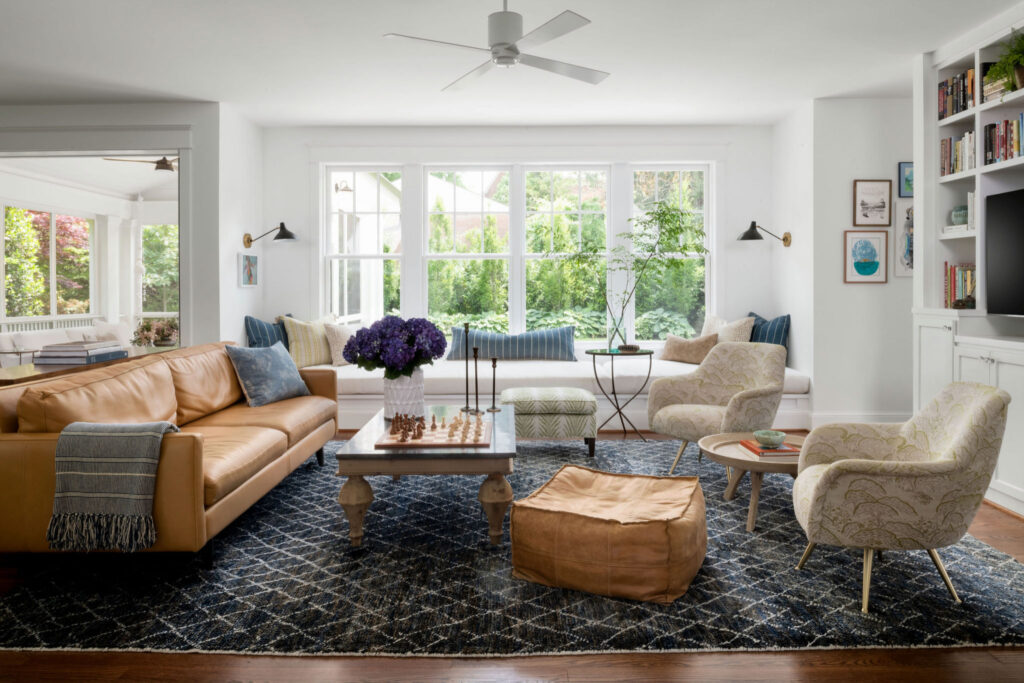
When storage is intentional, maintenance becomes easier. Cleaning requires less effort, surfaces remain uncluttered, and daily life feels less overwhelming. Over time, these small efficiencies improve comfort and overall well-being.
Final Thoughts
Thoughtful storage design is not about hiding possessions—it is about creating balance. By integrating smart solutions into architecture, furniture, and daily routines, homes feel lighter and more functional. In modern living, good storage is not an afterthought. It is a foundation for comfort, clarity, and long-term harmony.