










In reality, most people don’t struggle because they lack motivation they struggle because their daily life is overloaded, unstructured, and mentally exhausting. A balanced lifestyle isn’t about doing more; it’s about creating stability in how you spend your time, energy, and attention.
This approach focuses on realistic adjustments that fit into real life, not ideal schedules.
Understanding What “Balance” Actually Means
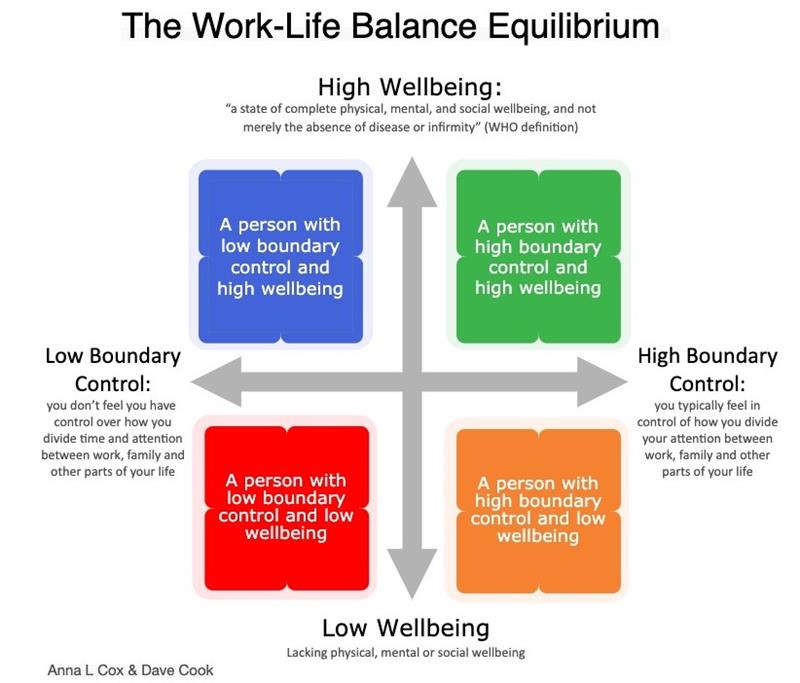
Lifestyle balance does not mean giving equal time to everything. It means having enough structure to feel in control and enough flexibility to avoid burnout. When days are filled with constant switching between tasks, responsibilities, and distractions, the mind never gets a chance to rest. Balance begins when daily activities feel intentional instead of reactive.
Most people feel unbalanced not because they are busy, but because their time lacks clear boundaries.
Why Daily Structure Matters More Than Motivation
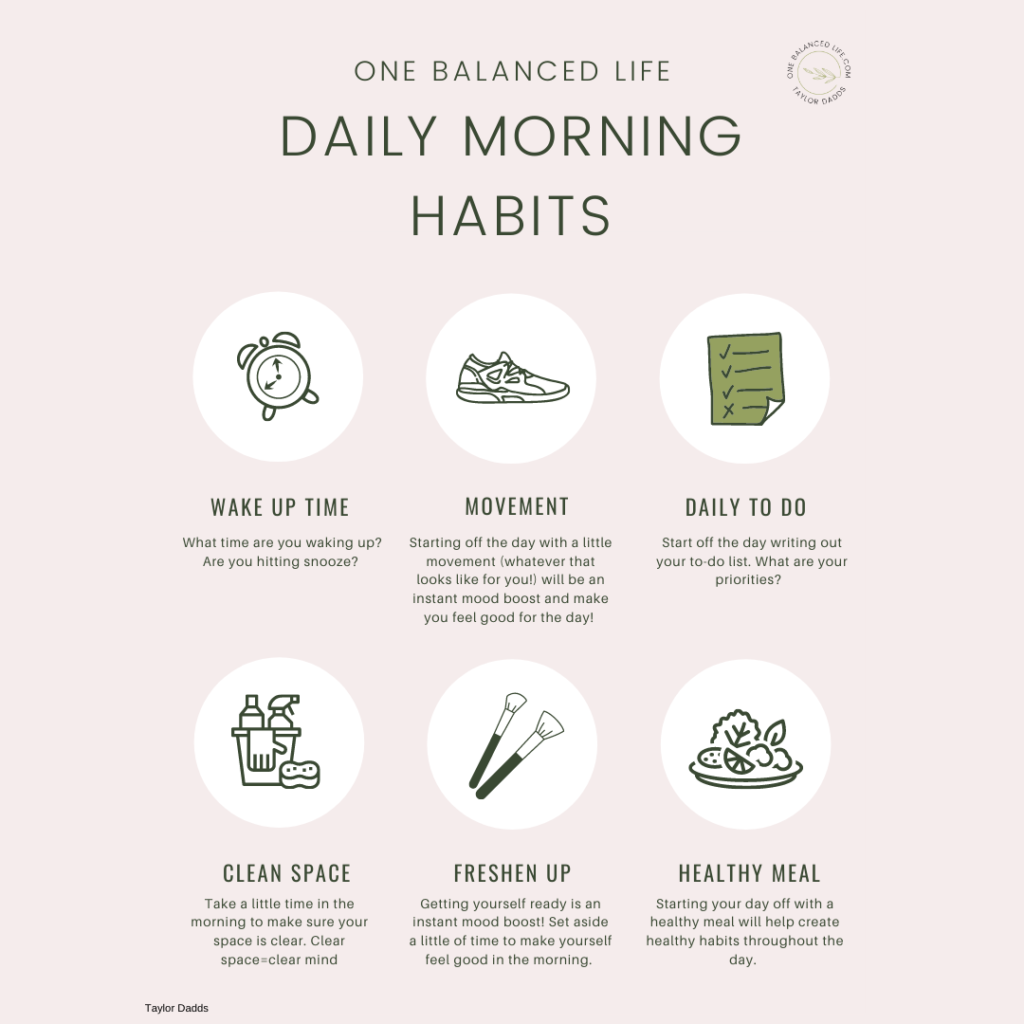
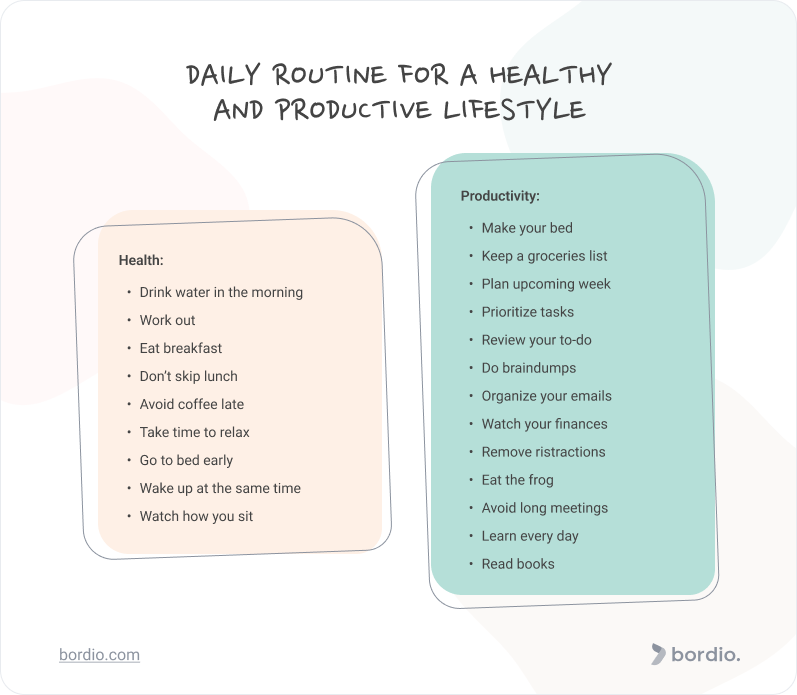
Motivation is unreliable. Some days you have it, some days you don’t. Structure, however, carries you through low-energy days. Simple anchors like fixed wake-up times, regular meals, and predictable wind-down routines create rhythm in life. This rhythm reduces decision fatigue and mental stress.
A stable daily structure makes life feel less chaotic even when responsibilities increase.
Reducing Mental Noise in Everyday Life
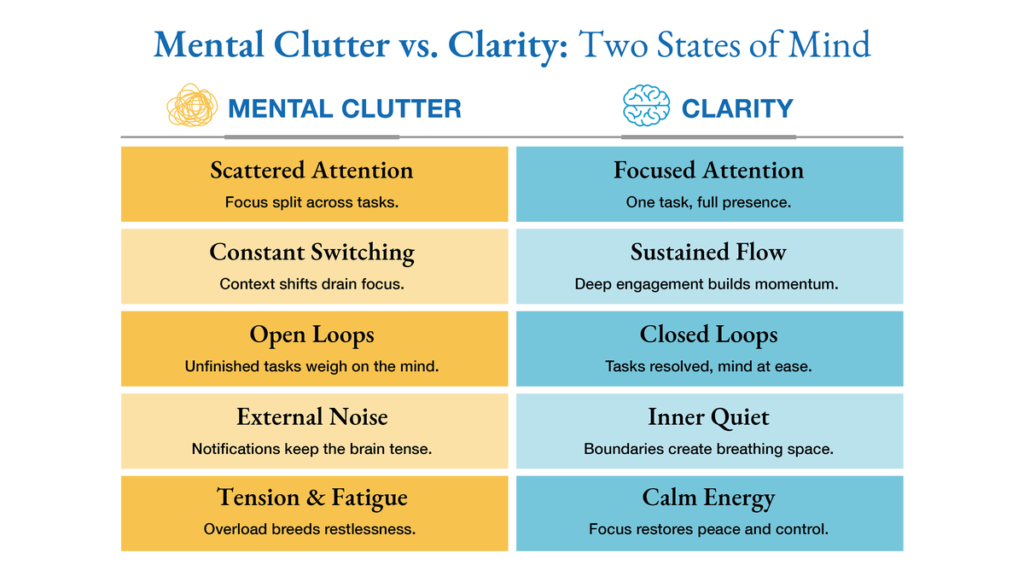
Modern lifestyles are filled with constant mental noise notifications, messages, background content, and unfinished thoughts. Over time, this noise drains energy without us realizing it. Creating small pockets of quiet during the day helps reset mental clarity.
This doesn’t require disconnecting from the world. It simply requires choosing moments of focus and moments of rest intentionally.
Creating Healthier Boundaries Between Work and Personal Time

One of the biggest threats to lifestyle balance is the lack of clear boundaries. When work thoughts extend into personal time, rest becomes shallow and ineffective. Simple transition habits like closing work tools, changing environments, or writing down unfinished tasks help signal the brain that one phase of the day has ended.
Clear boundaries protect personal time without requiring fewer responsibilities.
Making Space for Rest Without Guilt

Rest is often treated as something that must be earned. This mindset leads to constant exhaustion. Rest is not a reward it is a requirement for long-term functioning. Balanced lifestyles include intentional rest that restores energy instead of temporary distractions that drain it further.
When rest is planned, it becomes more effective and less stressful.
Simplifying Daily Choices to Reduce Stress
Too many choices create hidden stress. What to eat, what to wear, what to prioritize these decisions pile up quickly. Simplifying repeated decisions frees mental energy for things that actually matter. Consistency in small daily habits reduces overwhelm and increases calm.
A simpler lifestyle is not boring it is sustainable.
Why Small Lifestyle Changes Are More Effective Than Big Ones
Large lifestyle overhauls often fail because they are hard to maintain. Small, consistent changes adapt better to real life. Adjusting sleep timing, reducing screen exposure, or improving daily transitions may seem minor, but their combined impact is powerful.
Balance is built gradually, not overnight.
How Balance Improves Emotional Well-Being Over Time

When life feels balanced, emotional stability improves naturally. Stress becomes manageable, focus improves, and everyday moments feel less rushed. Balanced living does not remove challenges—it makes them easier to handle.
Over time, this stability builds confidence and resilience.
Final Thoughts
A balanced lifestyle does not require perfection or strict rules. It requires awareness, structure, and realistic boundaries. By simplifying daily routines, reducing mental overload, and respecting the need for rest, balance becomes achievable even in busy lives. The goal isn’t to control every moment, but to live each day with clarity and intention.