







Kitchen knives are essential food tools used every day, but with many types, materials, and designs available, choosing the right knife or knife set can be confusing. This guide explains what to consider before buying so you can make a smart and long-lasting choice.
Why Choosing the Right Kitchen Knife Matters
A good knife improves safety, speed, and control while working in the kitchen. A poor-quality knife becomes dull quickly, slips easily, and makes food preparation harder than it should be. The right knife feels balanced, stays sharp longer, and is comfortable to use.
1. Understand Different Knife Types
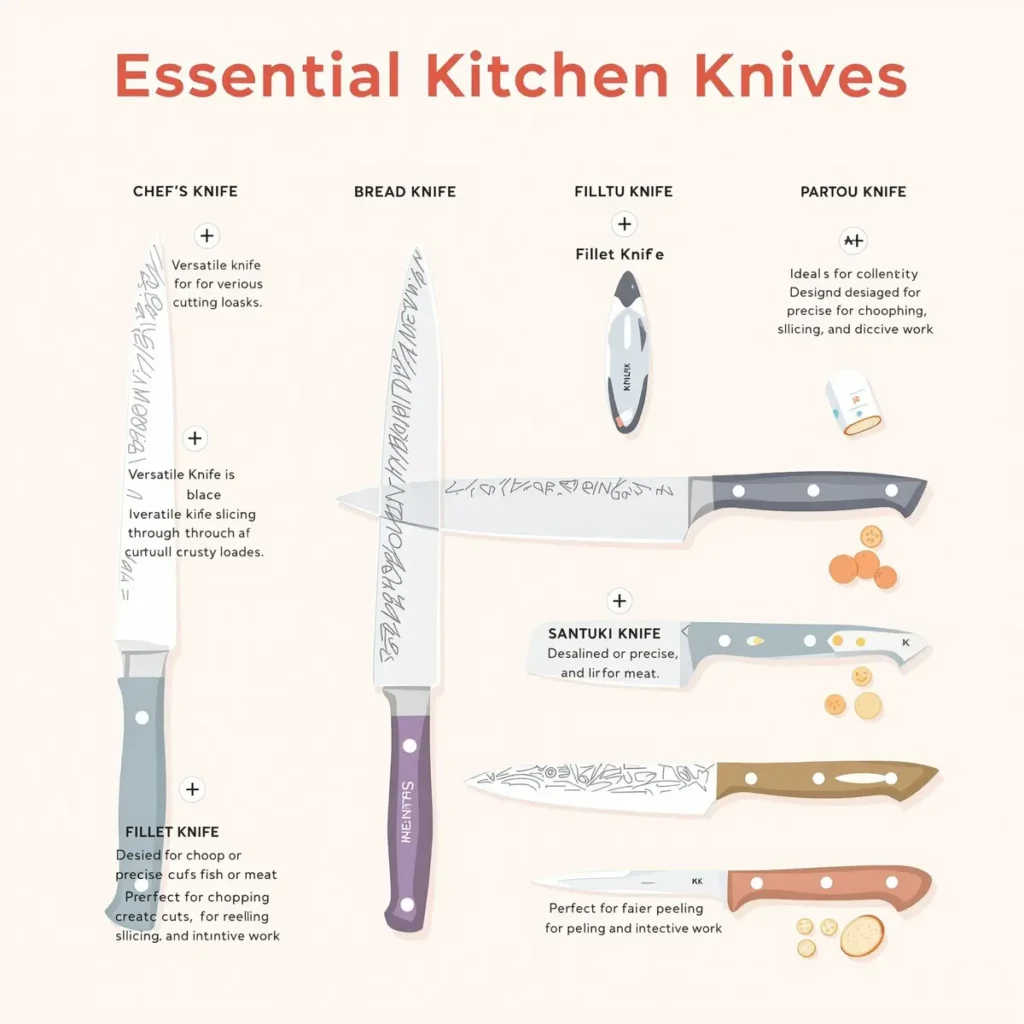

Not all knives serve the same purpose.
Common types include:
- Chef knife for general cutting
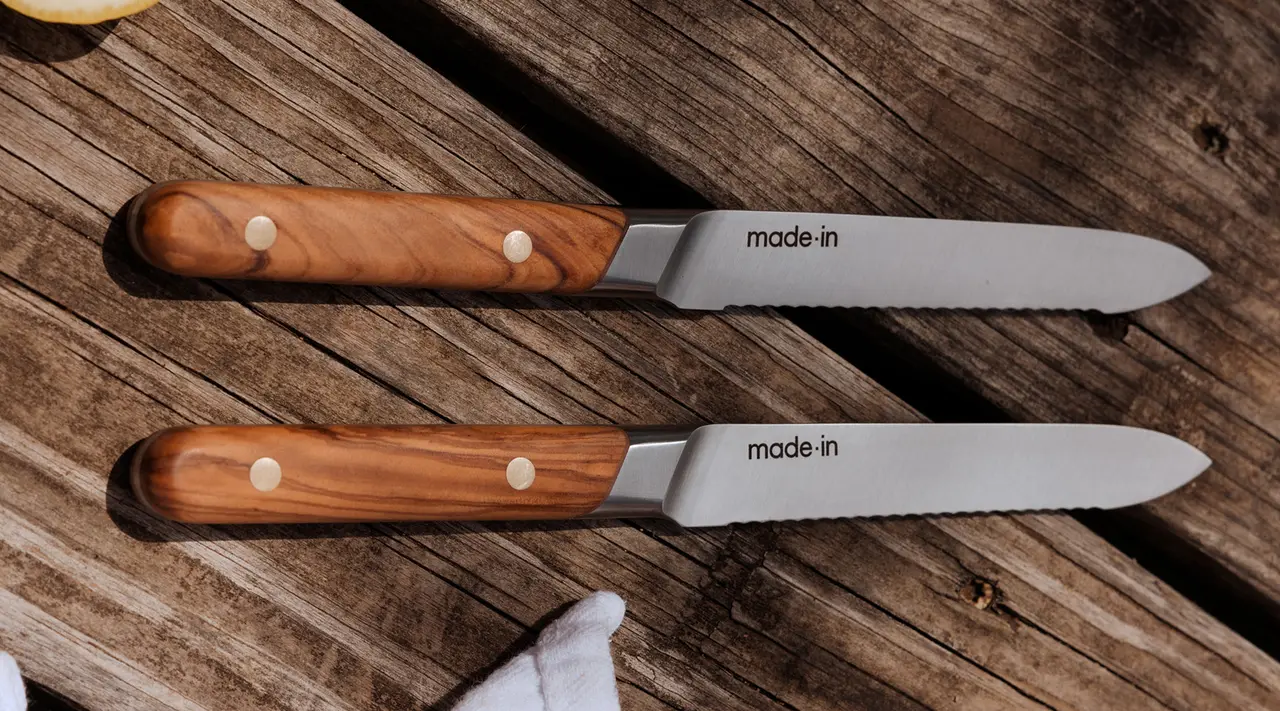
- Utility knife for small tasks
- Bread knife for soft items
- Paring knife for precision work
Buying only what you actually need avoids clutter.
2. Blade Material and Its Importance
Blade material affects sharpness and maintenance.
Things to consider:
- Stainless steel for low maintenance
- High-carbon steel for long-lasting sharpness
- Rust resistance and durability
Choose material based on how often you cook and clean.
3. Blade Sharpness and Edge Retention
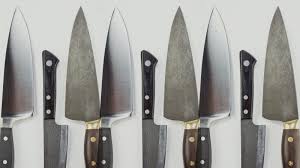
A knife should stay sharp for a long time.
Check for:
- Factory sharpness
- Ability to hold an edge
- Ease of sharpening later
Frequent sharpening means lower quality.
4. Knife Balance and Weight
A well-balanced knife feels natural in hand.
Consider:
- Balance between blade and handle
- Not too heavy or too light
- Comfortable movement while cutting
Good balance reduces hand fatigue.
5. Handle Material and Grip Comfort

The handle affects control and safety.
Look for:
- Non-slip grip
- Comfortable shape
- Strong attachment to blade
A poor handle can cause accidents.
6. Full Tang vs Partial Tang Design
Tang refers to how the blade extends into the handle.
Points to know:
- Full tang offers better strength
- Partial tang is lighter but less durable
Full tang knives usually last longer.
7. Size and Length of the Knife
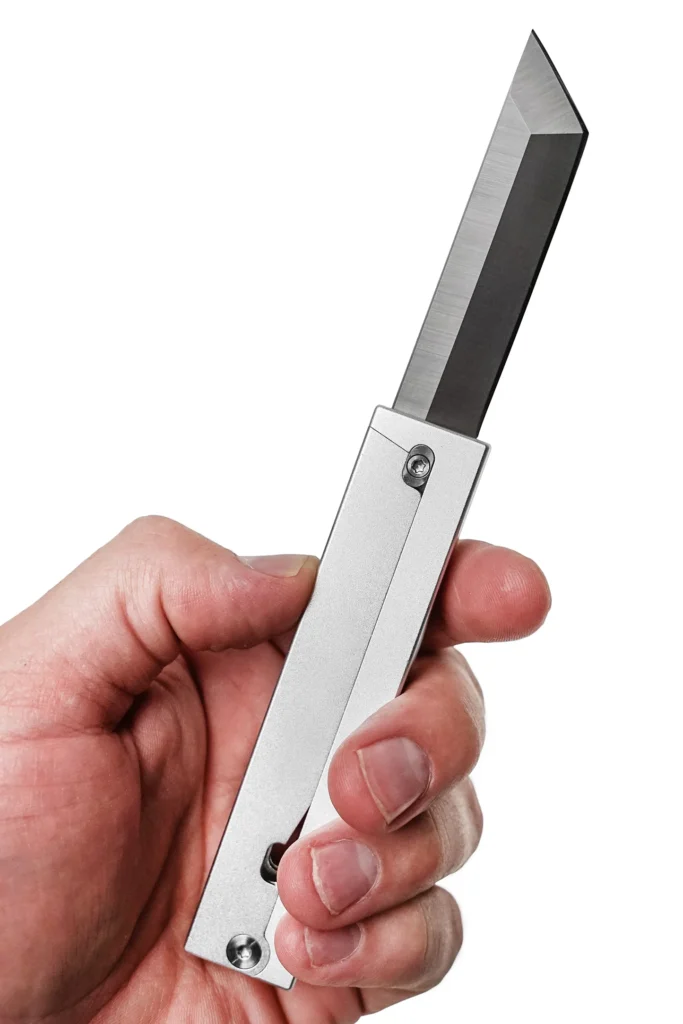

If Knife length affects control.
General guidance:
- Medium length for daily use
- Shorter knives for precision
- Longer knives for large cutting tasks
Choose size based on hand comfort.
8. Knife Set vs Single Knife Purchase
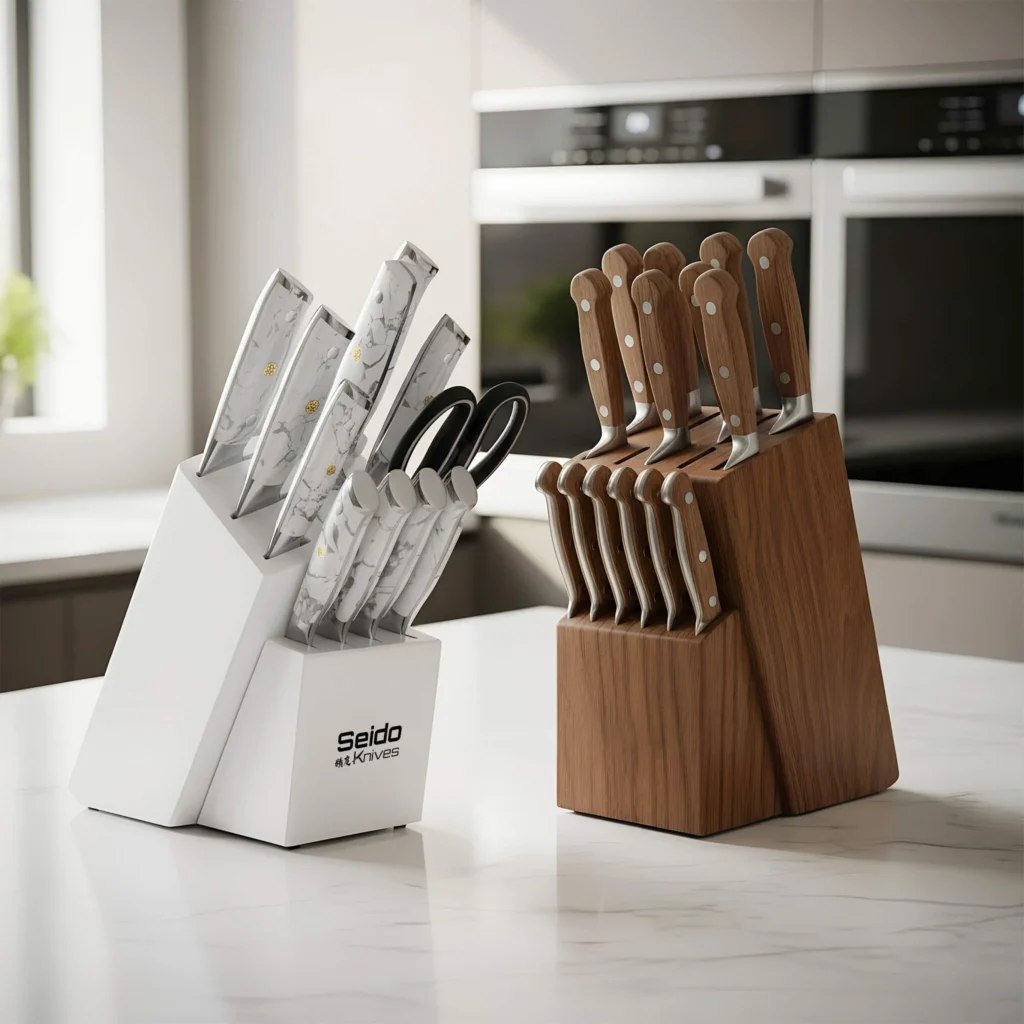

Buying a full set is not always necessary.
Consider:
- Knife set if you cook often
- Single quality knife if needs are basic
Quality matters more than quantity.
9. Storage Options and Safety
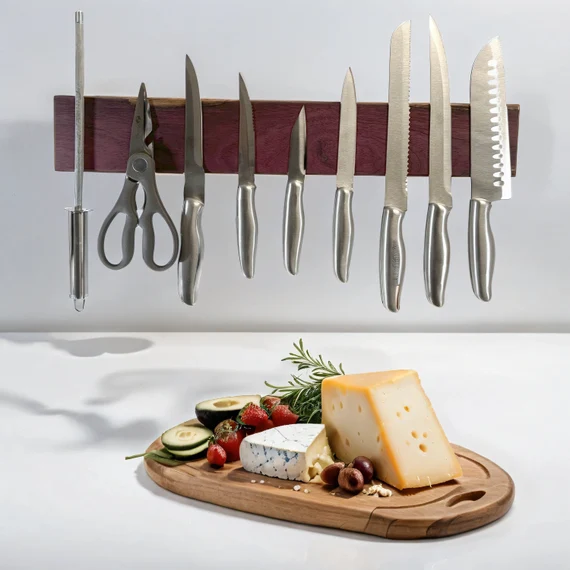

Safe storage prevents accidents.
Options include:
- Knife block
- Magnetic strip
- Blade guards
Good storage keeps knives sharp and safe.
10. Maintenance and Cleaning Needs
Some knives require more care.
Check:
- Hand wash requirement
- Rust prevention needs
- Ease of cleaning
Low-maintenance knives are better for daily kitchens.
11. Durability and Long-Term Use
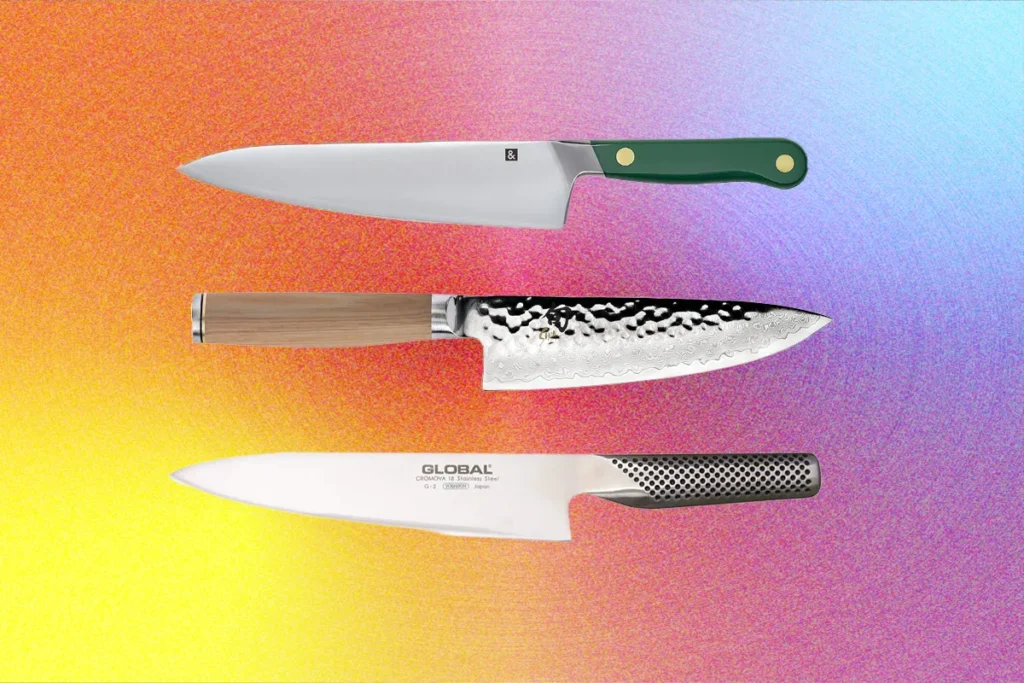
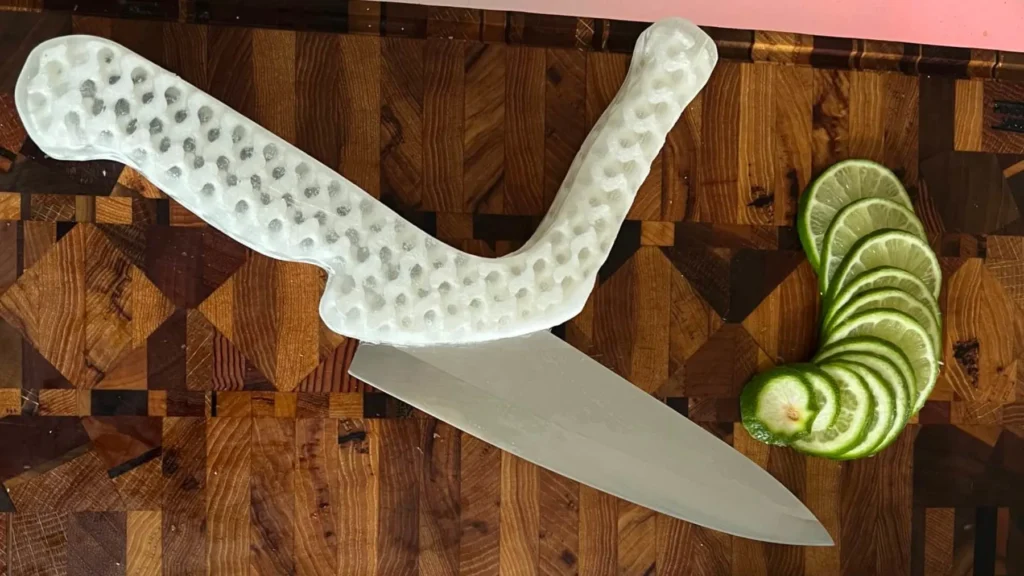
A good knife should last for years.
Signs of durability:
- Strong blade material
- Solid handle fit
- No wobbling or loose parts
Durable knives save money over time.
12. Safety Features to Look For
Safety should never be ignored.
Helpful features:
- Finger guard
- Non-slip handle
- Proper blade thickness
Safer knives reduce injury risk.
13. Common Knife Buying Mistakes to Avoid
Avoid these mistakes:
- Buying only based on looks
- Choosing very cheap blades
- Ignoring handle comfort
- Buying too many knives
- Not checking balance
Smart choices improve daily use.
Quick Buying Checklist
Before buying, confirm:
- Comfortable grip
- Good blade material
- Proper balance
- Suitable knife size
- Safe storage option
Final Buying Advice
A kitchen knife is a long-term food tool that should feel comfortable, safe, and reliable. Instead of buying many knives, focus on quality, balance, and durability. The right knife makes everyday kitchen work easier and more enjoyable.