



Pressure cookers are essential kitchen tools for fast and energy-efficient cooking. With different sizes, materials, and safety features available, choosing the right pressure cooker can be confusing. This guide explains what to consider before buying so you can select a cooker that is safe, durable, and suitable for your daily needs.
Why Choosing the Right Pressure Cooker Matters
A pressure cooker works under high heat and pressure. A poor-quality choice can lead to uneven cooking, frequent maintenance issues, or safety concerns. The right cooker saves time, uses less fuel, and provides consistent results while keeping safety a priority.
1. Decide Between Stovetop and Electric Pressure Cookers
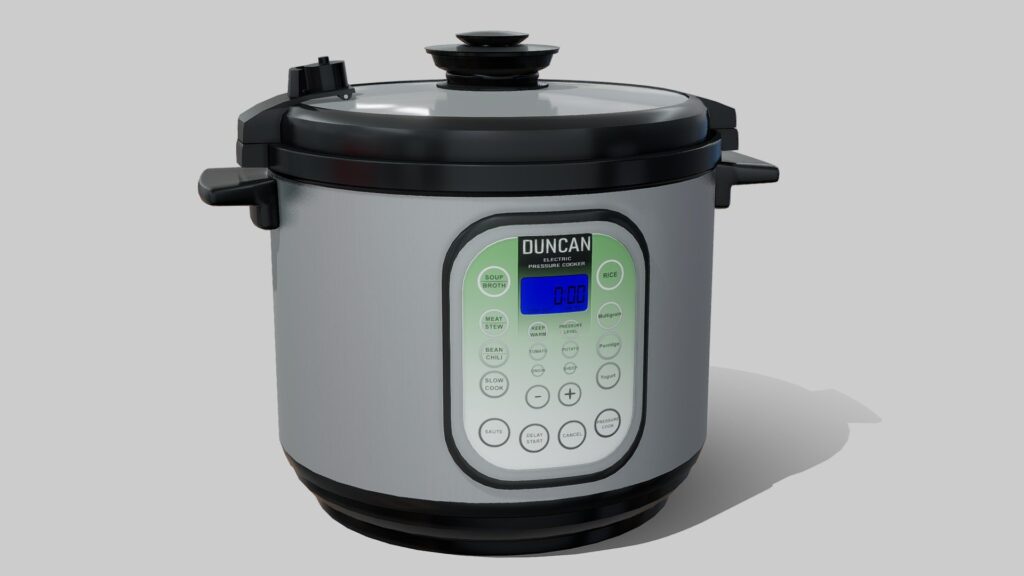
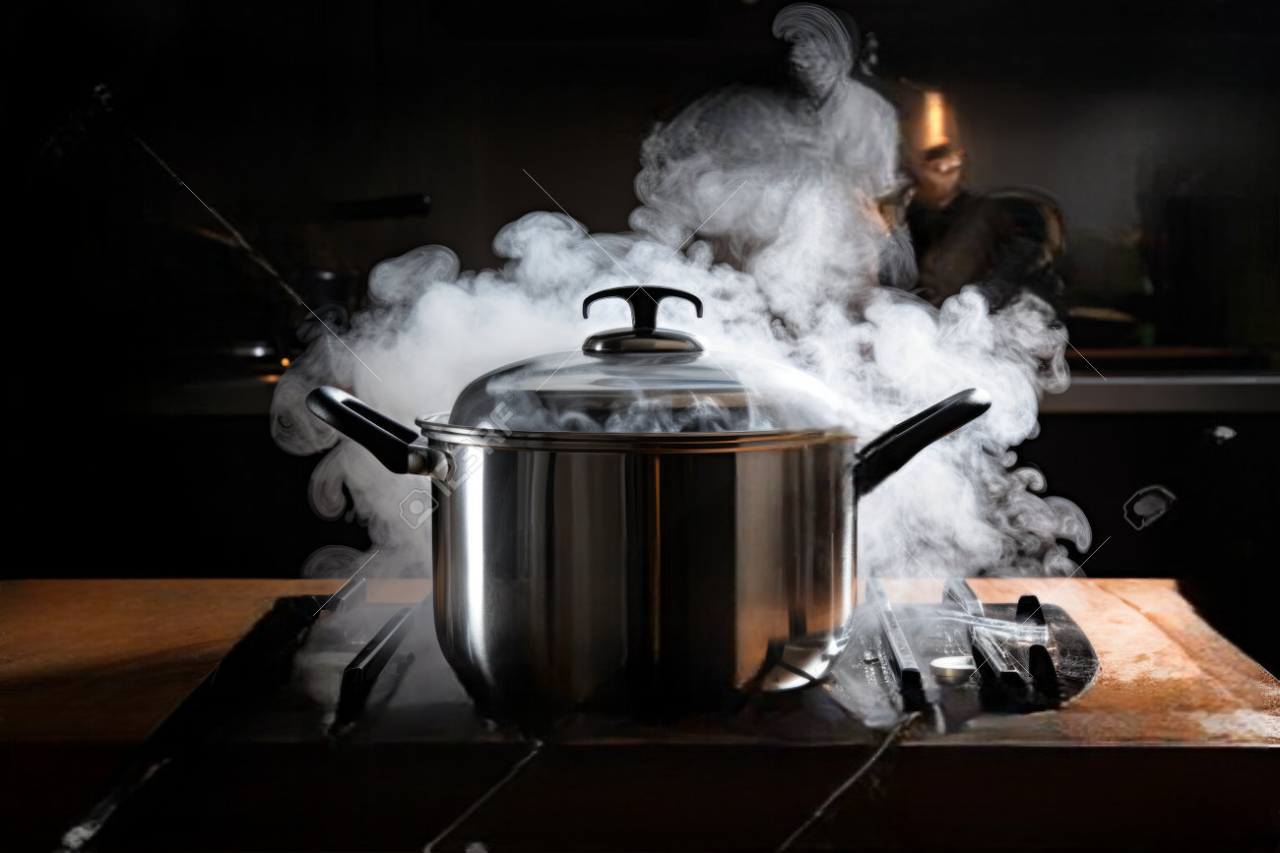
Pressure cookers come in two main types.
Stovetop cookers:
- Faster pressure buildup
- Simple design
- Works on gas and induction
Electric cookers:
- Automatic controls
- Built-in safety systems
- Suitable for beginners
Choose based on your cooking style and kitchen setup.
2. Choose the Right Capacity
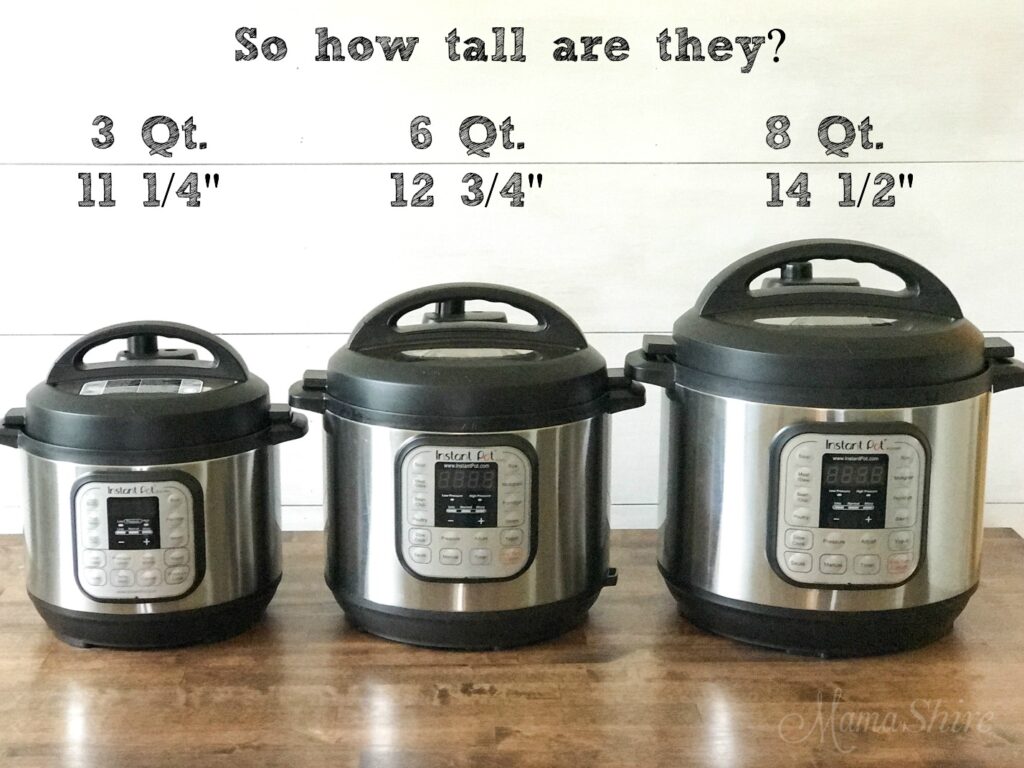
Capacity should match the number of people you cook for.
General guidance:
- Small capacity for one or two people
- Medium capacity for small families
- Large capacity for batch cooking
Buying the right size avoids overflow and underuse.
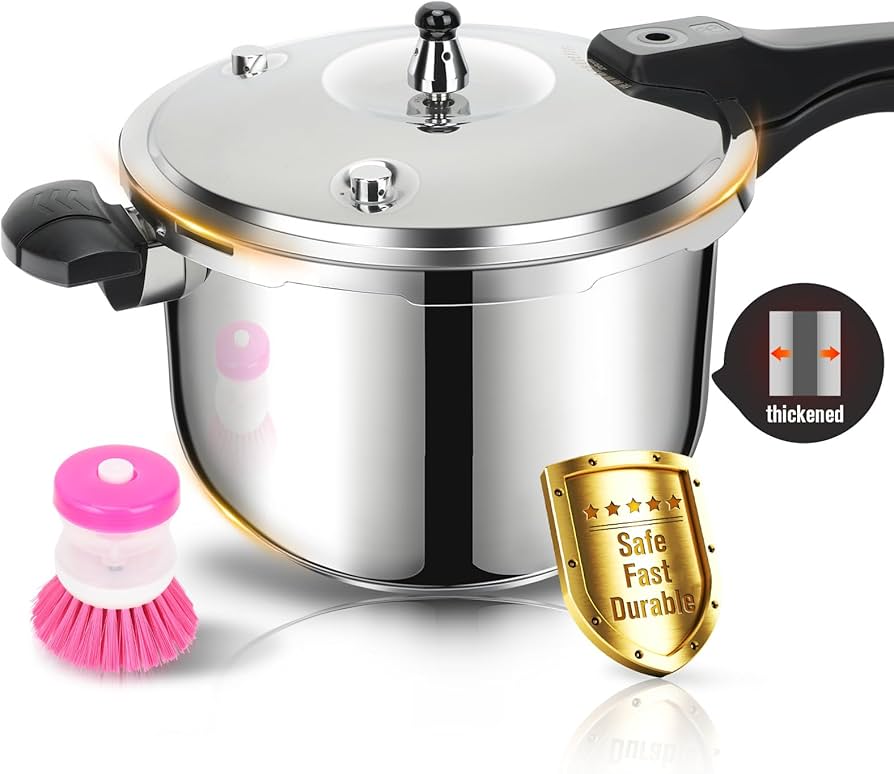
3. Material Quality and Durability
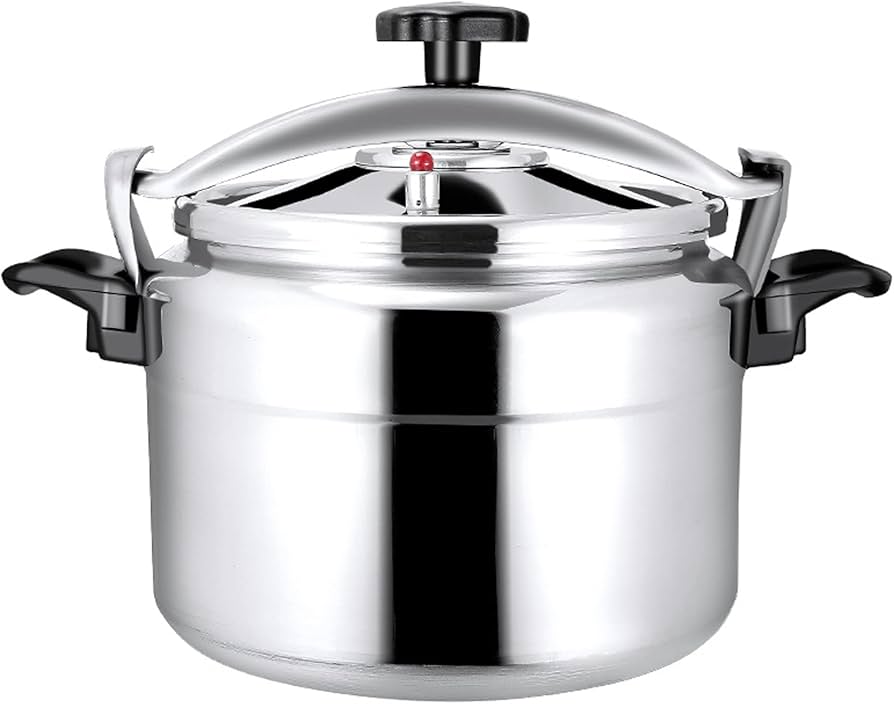

Material affects heat distribution and lifespan.
Common materials:
- Stainless steel for durability and low maintenance
- Aluminum for quick heating but lighter build
Stainless steel is usually preferred for long-term use.
4. Thickness of the Cooker Base
A strong base ensures even heating.
Check for:
- Thick base construction
- Flat and stable bottom
- Compatibility with induction
A solid base prevents food burning and warping.
5. Safety Features You Should Never Ignore
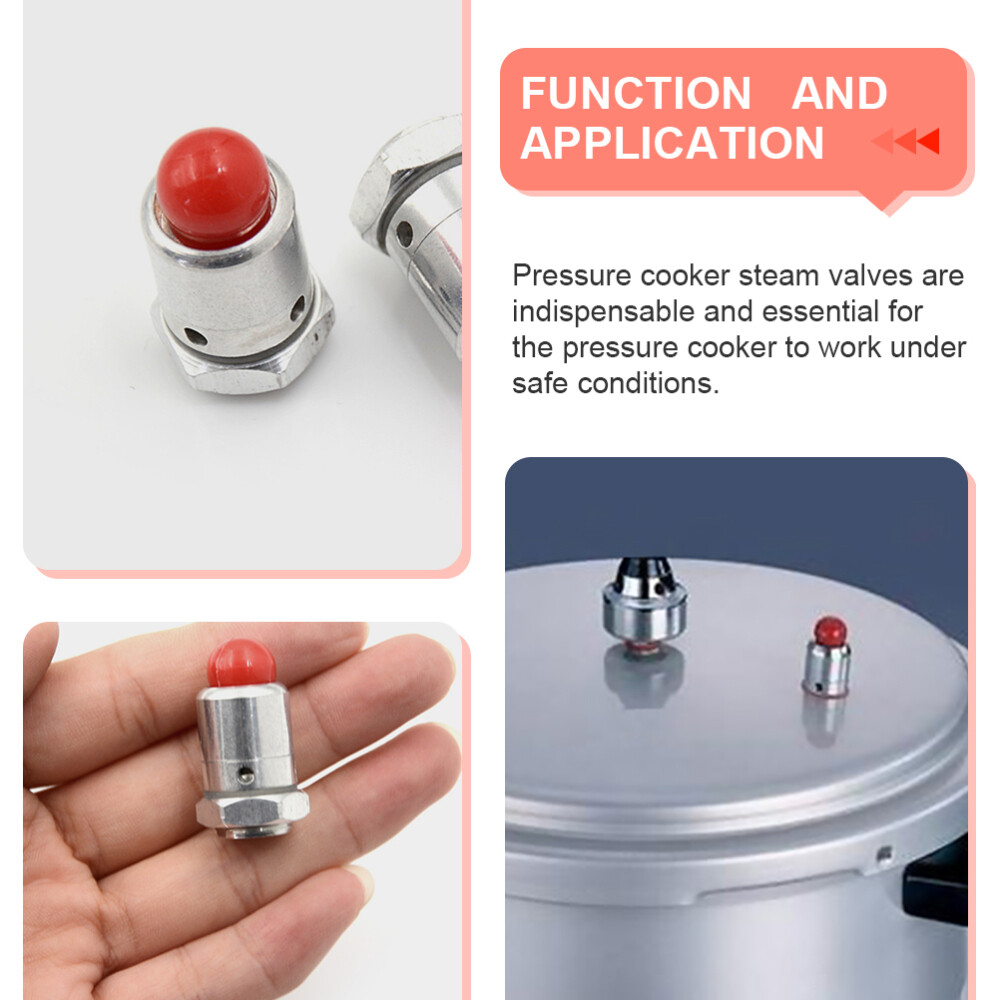
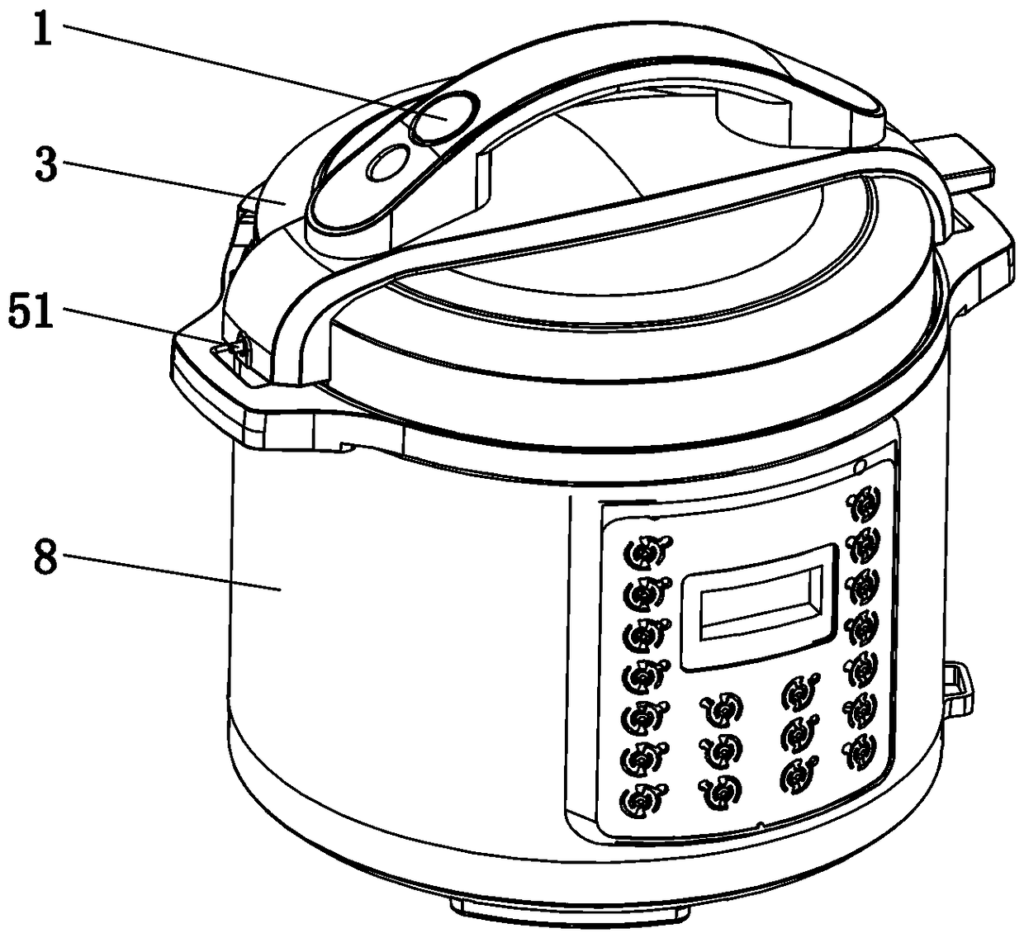
Safety is the most important factor.
Look for:
- Pressure release valve
- Lid locking mechanism
- Gasket quality
- Emergency pressure release
Multiple safety features reduce risk during use.
6. Lid Design and Locking System
The lid controls pressure inside the cooker.
Consider:
- Easy locking and unlocking
- Firm seal
- Smooth opening mechanism
A secure lid ensures proper pressure control.
7. Handle Design and Heat Resistance
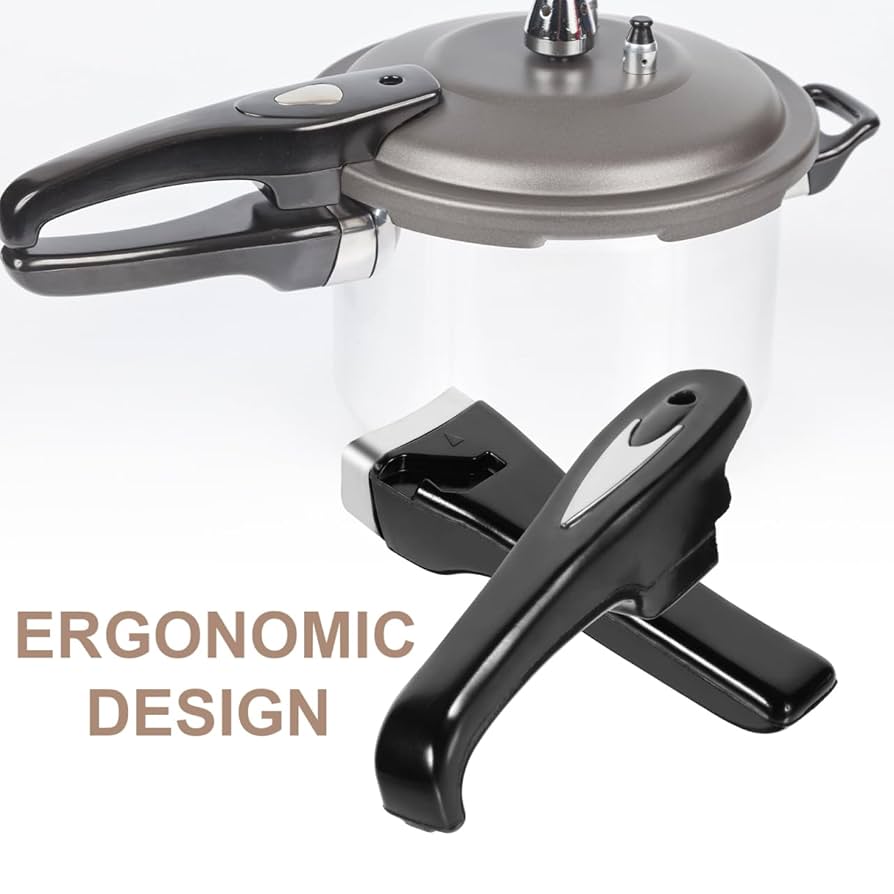
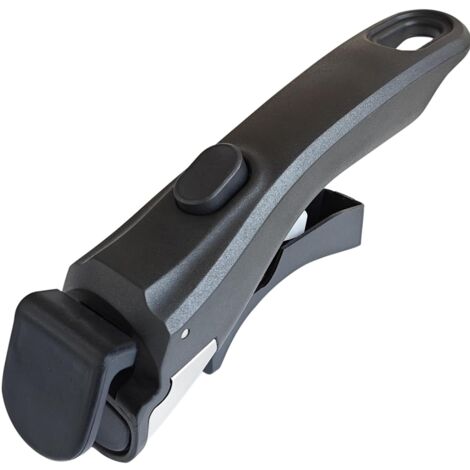
Handles affect comfort and safety.
Check for:
- Strong grip
- Heat-resistant material
- Proper balance while lifting
Poor handles can cause accidents.
8. Gasket Quality and Replacement Ease
The gasket helps seal pressure.
Important points:
- Food-grade gasket material
- Easy replacement availability
- Long-lasting flexibility
Worn-out gaskets reduce efficiency and safety.
9. Weight and Ease of Handling
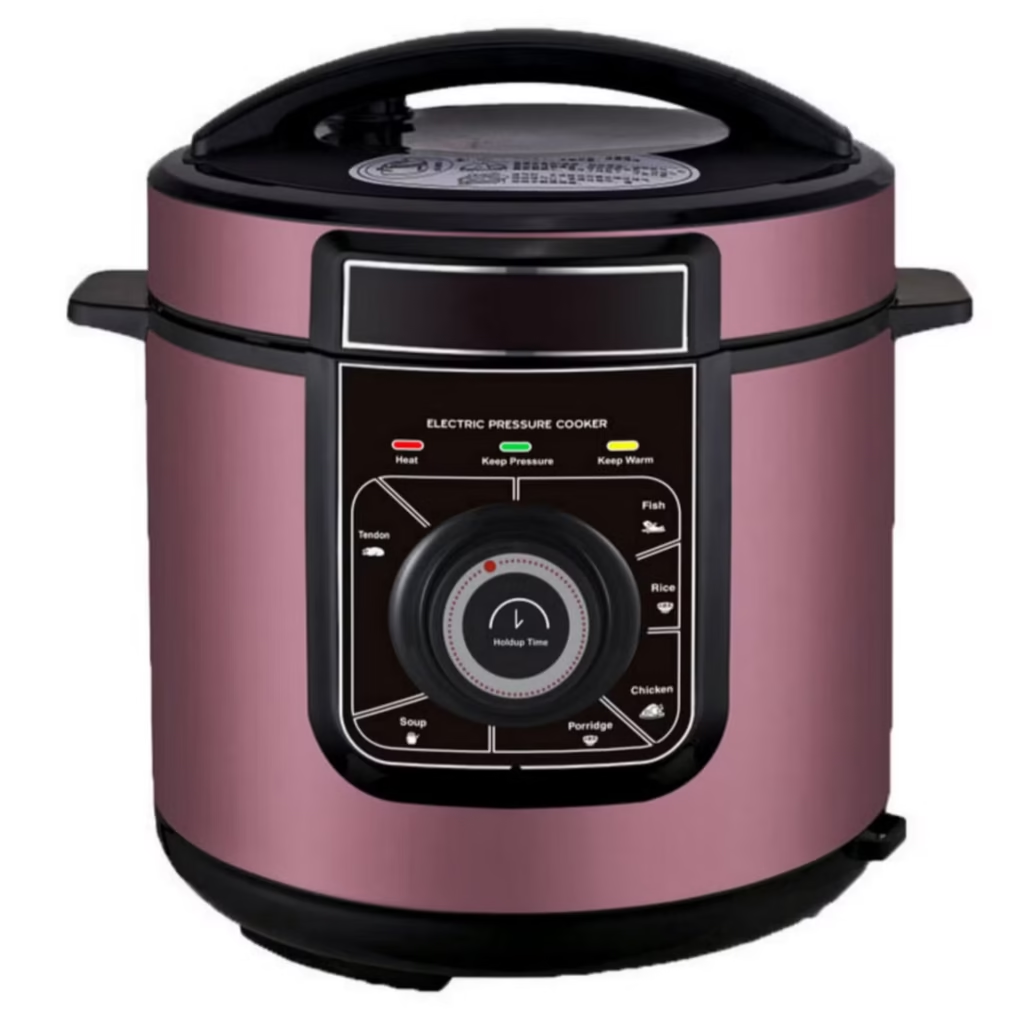
A pressure cooker should be easy to manage.
Consider:
- Total weight when full
- Ease of cleaning
- Storage convenience
Balanced weight improves daily usability.
10. Cleaning and Maintenance Requirements
Some cookers are easier to clean than others.
Look for:
- Smooth inner surface
- Dishwasher-safe parts if possible
- Easy-to-remove gasket
Easy maintenance encourages regular use.
11. Compatibility With Different Cooktops
Not all pressure cookers work on every cooktop.
Check compatibility with:
- Gas stoves
- Induction cooktops
- Electric stoves
Always confirm before buying.
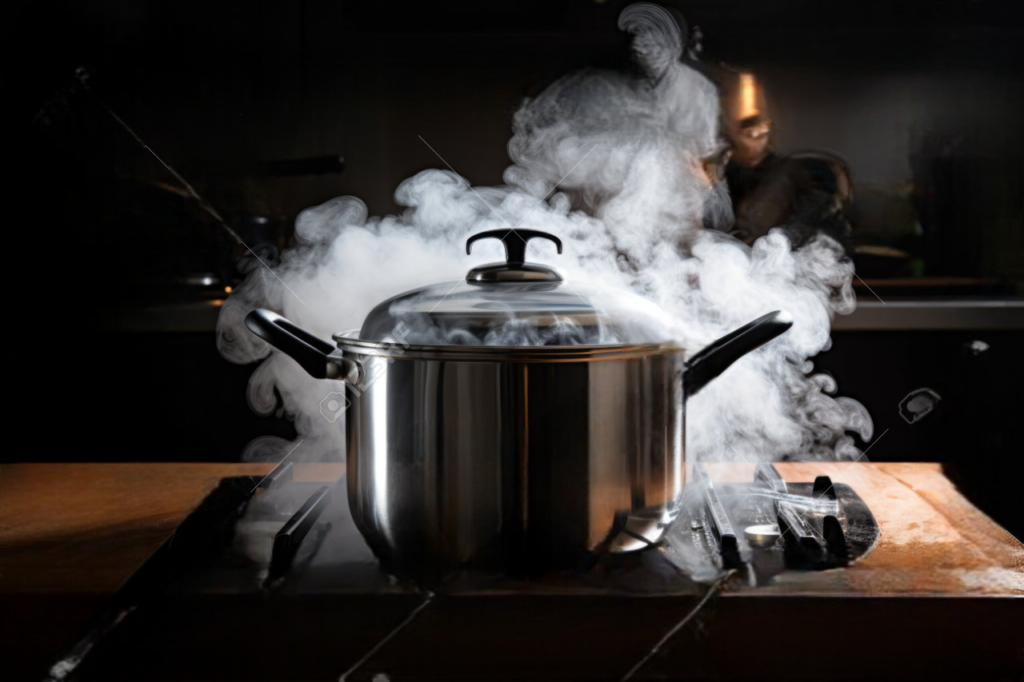
12. Noise Level During Pressure Release
Some cookers release pressure loudly.
Consider:
- Controlled steam release
- Smooth pressure reduction
- Comfortable usage experience
Lower noise improves kitchen comfort.
13. Availability of Spare Parts and Support
Pressure cookers need parts over time.
Important checks:
- Spare gasket availability
- Valve replacement access
- Service support
Easy access to parts increases product life.
14. Common Pressure Cooker Buying Mistakes to Avoid
Avoid these mistakes:
- Buying without checking safety features
- Choosing wrong size
- Ignoring material quality
- Overlooking handle strength
- Not checking cooktop compatibility
Smart buying prevents long-term problems.
Quick Buying Checklist
Before buying, confirm:
- Suitable capacity
- Strong safety features
- Durable material
- Easy maintenance
- Cooktop compatibility
Final Buying Advice
A pressure cooker is a long-term kitchen appliance that should be safe, durable, and easy to use. Instead of focusing only on price, consider safety systems, material quality, and daily convenience. The right pressure cooker makes cooking faster, safer, and more efficient.