









Storms are unpredictable. One moment the weather seems calm, and the next you’re dealing with heavy rain, strong winds, flying debris, or water buildup. Outdoor areas like patios, balconies, gardens, rooftops, and terraces are often the most exposed—and the most expensive to repair if damage occurs.
The good news is that protecting your outdoor space does not require major construction or costly upgrades. With the right approach, you can take fast, smart, and effective steps to reduce damage, protect furniture, and keep your outdoor areas safe before, during, and after a storm.
This is a fully original, long-form, informational home guide, written in simple language and designed for real-life use.
Why Storm Protection for Outdoor Spaces Matters

Outdoor spaces are constantly exposed to the elements. During storms, even small issues can turn into major problems:
- Lightweight furniture can become dangerous projectiles
- Water can damage flooring, wood, and cushions
- Poor drainage can lead to flooding or long-term structural damage
- Plants and décor can break, fall, or block water flow
Preparing ahead of time protects not only your property, but also your safety.
1. Secure, Anchor, or Remove Loose Outdoor Items


Loose items are one of the biggest storm hazards. Even moderate winds can lift chairs, small tables, planters, and decor.
What to secure first:
- Chairs, stools, and lightweight tables
- Outdoor decor and lanterns
- Small planters and pots
- Grills, trolleys, or movable storage units
Smart solutions:
- Move small items indoors or into storage
- Stack furniture and tie it with strong rope or straps
- Place heavier items against walls for support
- Lock wheels on movable furniture
This step alone can prevent most storm-related outdoor damage.
2. Use Proper Weather Covers

Covers are one of the fastest ways to protect outdoor furniture from rain and debris but only if used correctly.
Best practices:
- Use waterproof, fitted covers
- Avoid loose plastic sheets that flap in the wind
- Secure covers with cords, clips, or weights
- Cover cushions separately if possible
Why it matters:
Rainwater can soak into cushions, rot wood, rust metal, and create mold. Proper covers block moisture and extend the life of your outdoor items.
3. Prepare Drainage to Prevent Water Damage


Water damage often causes more long-term problems than wind. Poor drainage can lead to standing water, surface damage, and hidden moisture issues.
Quick drainage checks:
- Clear leaves, soil, and debris from drains
- Make sure water flows away from walls and doors
- Slightly elevate furniture using blocks or risers
- Check balcony or rooftop drainage outlets
Even five minutes of cleaning can prevent hours of cleanup later.
4. Protect and Manage Outdoor Plants
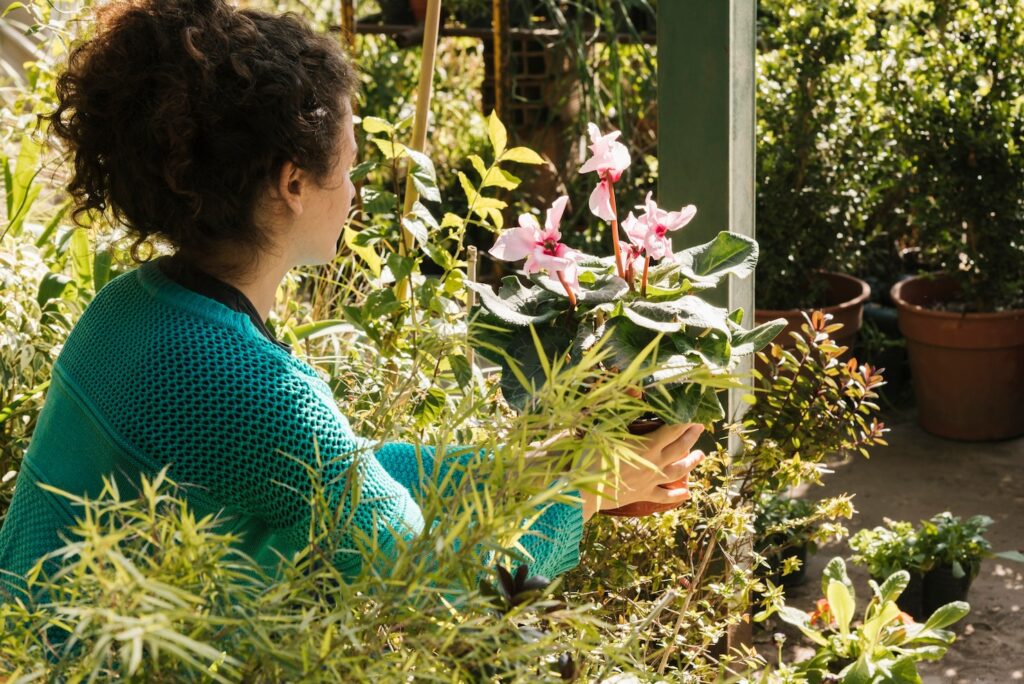
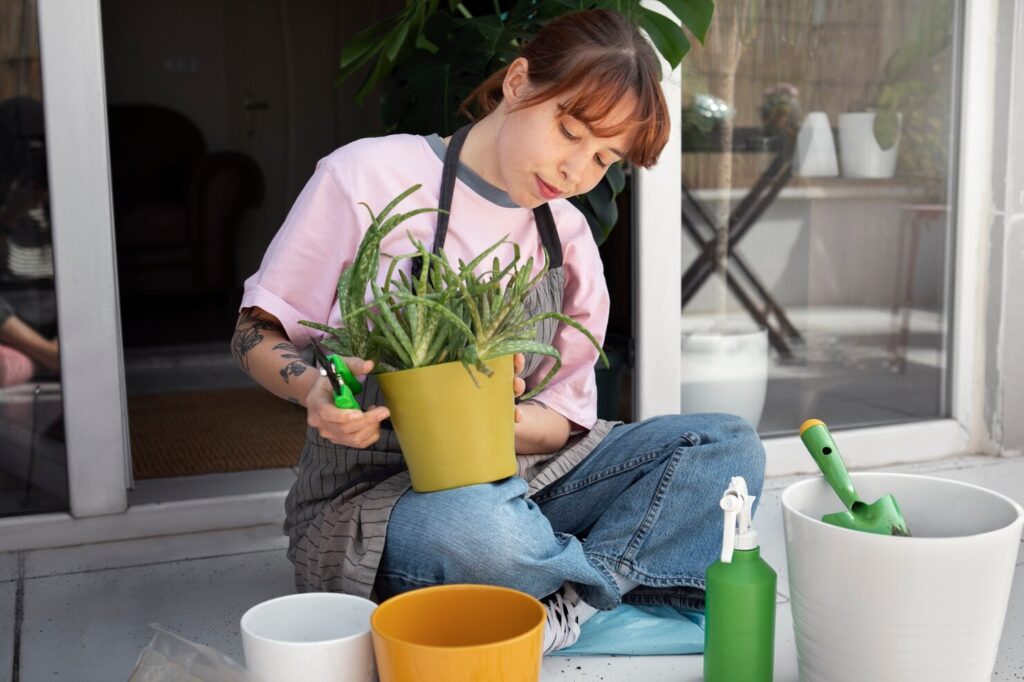

Plants add beauty, but storms can turn them into hazards if they’re not maintained.
Storm-safe plant care:
- Trim weak or overgrown branches
- Stake tall plants for extra support
- Move lightweight pots closer to walls
- Avoid top-heavy planters during storm season
This reduces the risk of falling branches, broken pots, and blocked drainage.
5. Reinforce Shade Structures and Umbrellas
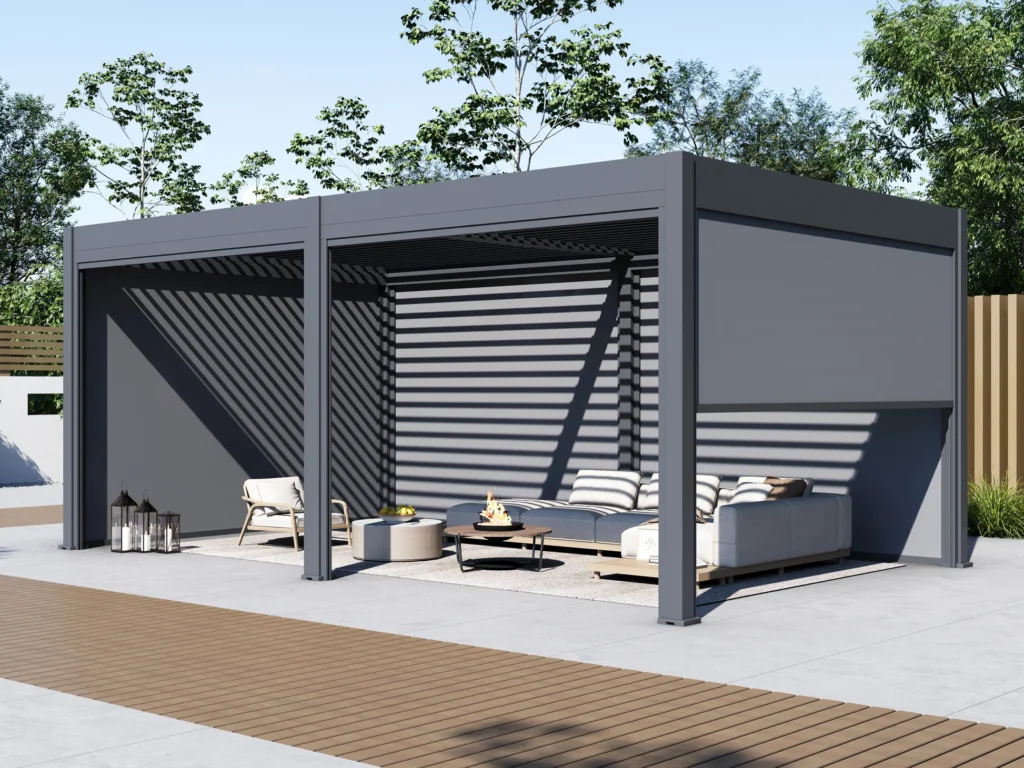
Umbrellas, pergolas, and shade sails are especially vulnerable during storms.
What to do:
- Close and tie umbrellas tightly
- Remove fabric shades if strong winds are expected
- Anchor pergolas securely to the ground
- Avoid leaving temporary structures unattended
If winds are severe, removing shade items entirely is often the safest choice.
6. Create Temporary Wind Barriers
You don’t need permanent walls to reduce wind impact.
Simple options:
- Tie outdoor curtains securely to the sides
- Use mesh screens or fabric panels
- Position tall planters as wind buffers
- Rearrange furniture to block direct wind flow
These measures help slow down wind and protect vulnerable areas.
7.Protect Outdoor Flooring and Surfaces
Outdoor flooring can crack, stain, or become slippery during storms.
Smart precautions:
- Remove loose rugs or mats
- Ensure floor slopes allow water runoff
- Avoid water pooling near wooden surfaces
- Clean surfaces after storms to prevent long-term damage
Regular maintenance keeps flooring safe and durable.
8. Prepare a Fast Storm-Response Routine
Being organized saves time when storms arrive suddenly.
Create a quick checklist:
- Secure loose items
- Cover furniture
- Clear drains
- Protect plants
- Anchor or remove shade structures
Keep this checklist accessible so preparation takes minutes, not hours.
Common Storm-Protection Mistakes to Avoid
- Leaving cushions uncovered
- Ignoring balcony or rooftop drains
- Using weak ropes or loose plastic sheets
- Forgetting small decorative items
- Waiting until the storm has already started
Most storm damage happens due to last-minute neglect.
Long-Term Benefits of Storm-Proofing Your Outdoor Space
- Less repair and replacement cost
- Longer life for furniture and décor
- Safer environment for your family
- Faster cleanup after storms
- Peace of mind during bad weather
Prepared spaces always recover better.
Final Thoughts
Storms may be unavoidable, but damage doesn’t have to be. With smart planning, quick action, and simple tools, you can protect your outdoor space effectively—without stress or heavy expense.
Think of storm preparation as regular home care. A few small habits today can save you from major problems tomorrow and keep your outdoor space usable, safe, and beautiful in every season.