











While technology offers convenience, excessive digital exposure often reduces focus, increases stress, and fragments our mental clarity. Digital minimalism is not about rejecting technology—it is about using it intentionally.
Understanding Digital Overload

Every notification, message, or update demands attention. Even small interruptions reduce concentration and increase mental fatigue. Over time, this constant stimulation creates a habit of distraction.
Digital overload does not always feel overwhelming. Sometimes it simply feels “normal.” That normalization is what makes it powerful.
What Digital Minimalism Really Means
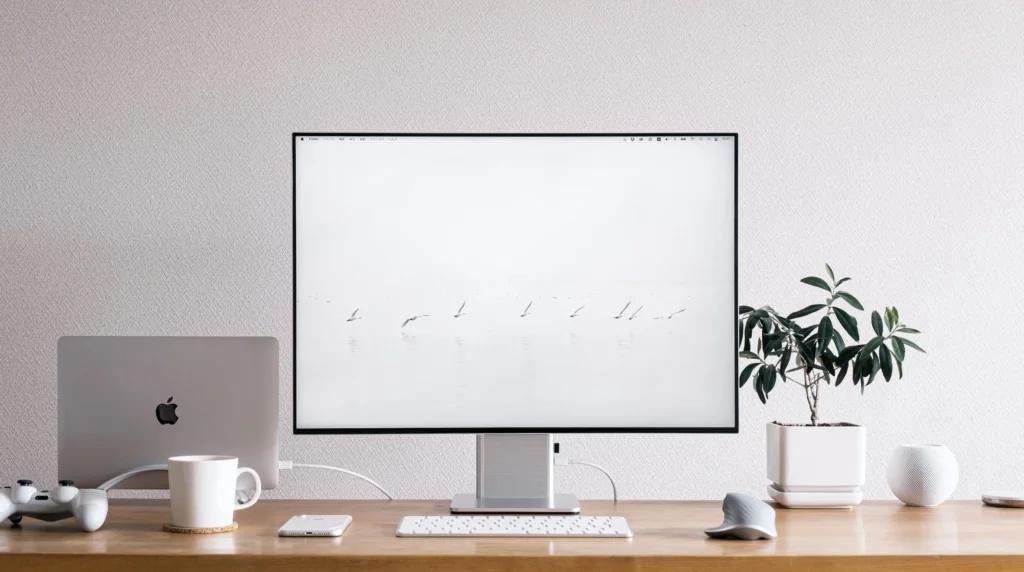

Digital minimalism is the practice of keeping only the digital tools that genuinely add value to your life. It encourages removing unnecessary apps, reducing screen time, and creating intentional usage patterns.
It is not about deleting everything. It is about choosing deliberately
The Hidden Cost of Constant Connectivity
Constant connectivity affects sleep, attention span, and emotional balance. Checking devices frequently prevents deep focus. Even short scrolling sessions reduce productivity and increase comparison-driven stress.
When attention is divided, performance declines.
Rebuilding Focus Through Boundaries

Creating boundaries is the first practical step.
Examples:
- Designate phone-free hours
- Keep devices away during meals
- Turn off non-essential notifications
- Avoid screen use 1 hour before sleep
These small rules restore control over attention.
The Power of Intentional Consumption


Instead of passive scrolling, choose purposeful digital engagement.
Ask:
- Why am I opening this app?
- What do I want to accomplish?
- How long will I spend here?
Intentional usage transforms digital tools from distractions into resources.
Replacing Screen Time With Real Experiences

Reducing digital noise creates space for real-life experiences:
- Outdoor walks
- Deep conversations
- Creative hobbies
- Physical activity
Replacing screen time with meaningful activities increases satisfaction and clarity.
Rebuilding Connection Through Presence
Connection doesn’t require a larger social circle. It requires presence. Being fully engaged in conversations, listening without distraction, and sharing honestly helps rebuild emotional closeness. Small moments of real attention create stronger bonds than constant contact.
Creating a Calmer Digital Environment

Organizing your digital space matters as much as organizing your physical space.
Try:
- Decluttering your home screen
- Removing unused apps
- Simplifying file organization
- Limiting social platforms
A cleaner interface reduces visual and mental stress.
Long-Term Benefits of Digital Minimalism


Over time, digital minimalism improves:
- Concentration
- Sleep quality
- Emotional stability
- Productivity
- Self-awareness
Attention becomes stronger. Decisions become clearer. Daily life feels less rushed.
Final Thoughts
Digital minimalism is not about disconnecting from the world it is about reconnecting with what truly matters. When technology becomes intentional rather than automatic, focus returns. Calm replaces noise. And daily life feels more controlled and meaningful.