












While connection is important, too much external noise can quietly drain energy and blur self-awareness. Alone time, when chosen intentionally, becomes a powerful lifestyle practice that restores clarity, balance, and emotional strength.
This article explores why alone time matters deeply, how it shapes everyday life, and why people of all genders benefit from spending time with themselves regularly.
Redefining Alone Time in Everyday Life

Alone time is often misunderstood. It is not about isolation or avoiding others. It is about creating space where external expectations pause and inner awareness grows.
True alone time means:
- Being free from performance
- Letting thoughts move naturally
- Existing without explanation
When solitude is intentional, it becomes grounding rather than uncomfortable.
Why Constant Stimulation Leaves the Mind Tired

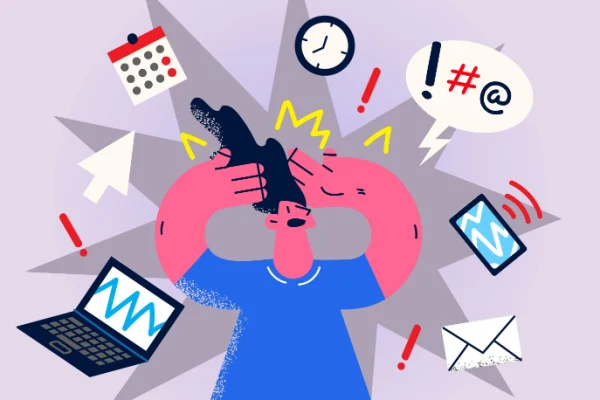
Every interaction requires mental energy. Conversations, notifications, and even passive scrolling demand attention. Without breaks, the mind remains in a state of alertness.
This constant stimulation can lead to:
- Mental exhaustion
- Reduced concentration
- Emotional sensitivity
Alone time allows the nervous system to slow down naturally.
How Solitude Restores Mental Clarity
When external input is reduced, the brain begins organizing thoughts on its own. Ideas settle, priorities become clearer, and mental fog lifts.
People often notice:
- Improved decision-making
- Clearer thinking patterns
- Reduced internal conflict
Clarity emerges without effort.
Emotional Processing Happens Best in Quiet
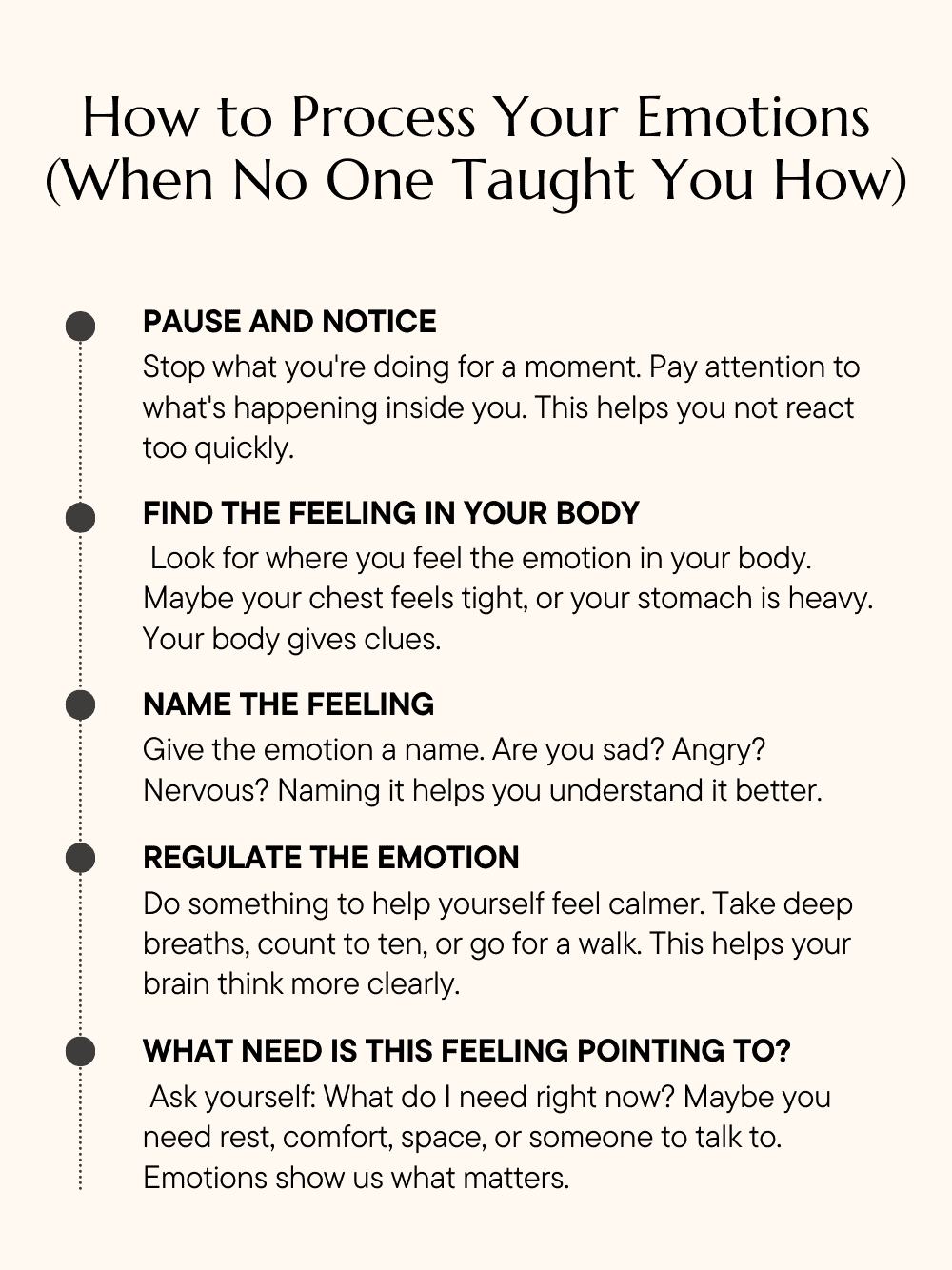
Emotions need space to be understood. When surrounded by others, people often suppress feelings to maintain social balance.
Alone time allows:
- Honest emotional awareness
- Processing without judgment
- Emotional release without pressure
This leads to healthier emotional regulation.ay.
Alone Time and Self-Awareness


Self-awareness grows when attention turns inward. Solitude provides the environment needed to observe thoughts, habits, and reactions.
Through regular alone time, people may:
- Recognize personal patterns
- Understand emotional triggers
- Identify real needs
Awareness leads to intentional living.
Why Solitude Supports Mental Resilience
Resilience is built through understanding oneself, not avoiding difficulty. Solitude helps people reflect on challenges instead of reacting impulsively.
Over time, this builds:
- Emotional stability
- Thoughtful responses
- Confidence in handling stress
Strength grows quietly in silence.
The Role of Alone Time in Creativity and Insight
Many insights appear during quiet moments. Without distraction, the mind connects ideas freely.
Alone time often supports:
- Creative thinking
- Problem-solving
- Personal insight
This is why many people find clarity during walks, journaling, or silent moments.
How Solitude Improves Relationships
Spending time alone improves how people relate to others. When individuals understand themselves better, communication becomes clearer and less reactive.
Healthy solitude supports:
- Strong personal boundaries
- Reduced emotional dependence
- More meaningful connection
Relationships improve when self-connection is strong.
Alone Time as a Daily Lifestyle Habit
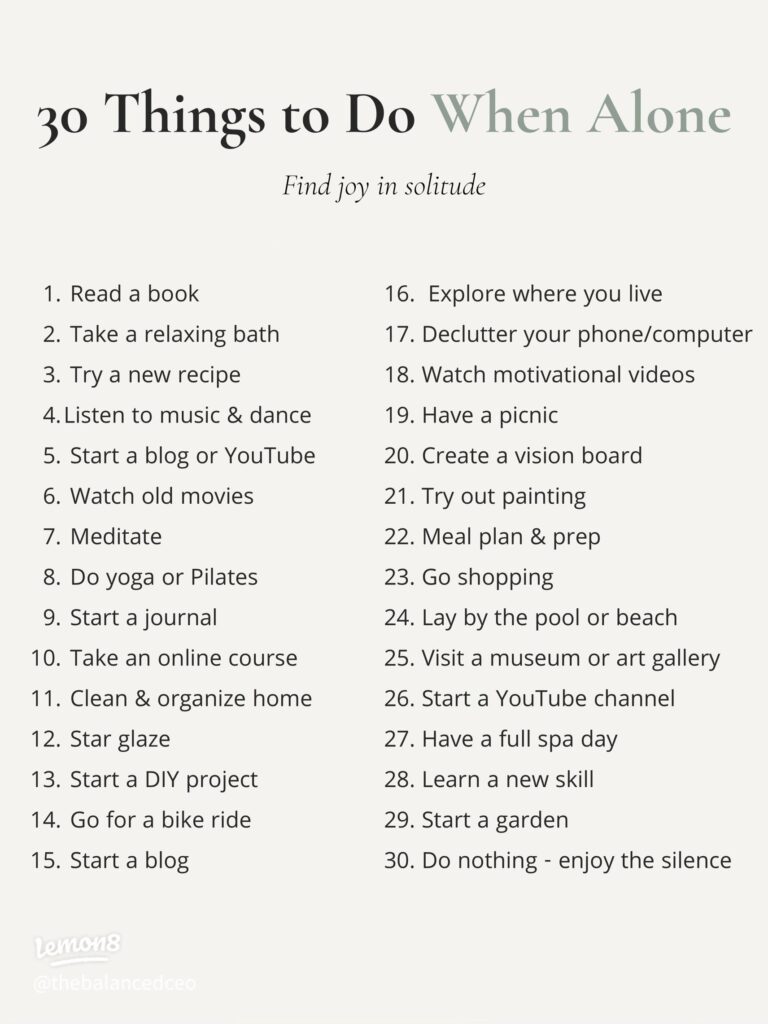
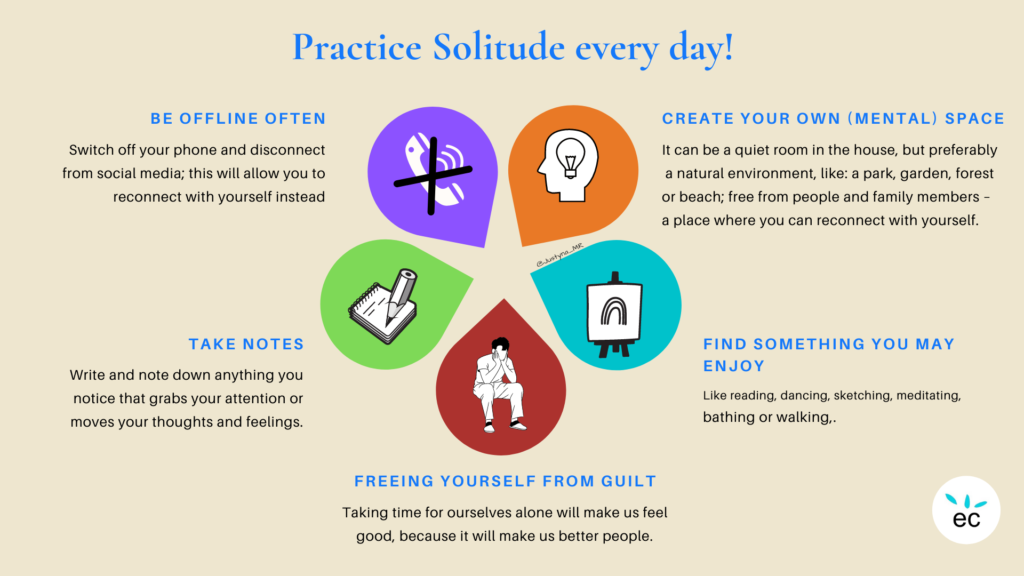
Alone time does not need to be long or dramatic. Even small moments practiced consistently can be powerful.
Simple daily practices include:
- Quiet mornings or evenings
- Solo walks
- Screen-free pauses
- Journaling or reflection
Consistency matters more than duration.
Letting Go of Guilt Around Solitude
Many people feel guilty for choosing solitude. This guilt often comes from social expectations rather than personal need.
A healthier mindset includes:
- Viewing solitude as self-care
- Understanding emotional limits
- Respecting personal energy
Caring for yourself allows you to show up better for others.
How Alone Time Shapes Long-Term Lifestyle Balance
Over time, mindful eating influences more than meals. It often leads to greater awareness in other daily cOver time, regular solitude changes how people experience life. Reactions slow down, priorities become clearer, and stress feels more manageable.
Long-term benefits include:
- Emotional resilience
- Mental clarity
- Stronger sense of self
- Sustainable daily balance
Solitude becomes a lifestyle foundation.
Silence as a Form of Rest

Silence itself is restorative. Without sound and interaction, the mind rests in a deeper way.
Silence supports:
- Nervous system recovery
- Mental calm
- Emotional grounding
Rest is not only physical — it is mental.
When Alone Time Feels Uncomfortable
Discomfort during solitude is normal, especially at first. It often reveals thoughts or emotions that need attention.
Instead of avoiding discomfort:
- Observe it gently
- Allow emotions to surface
- Respond with curiosity
Growth often begins where discomfort appears.
Final Buying Advice
Alone time is not a withdrawal from life it is a return to yourself. In moments of quiet, people reconnect with their thoughts, emotions, and inner rhythm. Over time, solitude strengthens clarity, emotional balance, and resilience.
In a world that rarely slows down, choosing to spend time with yourself may be one of the most meaningful lifestyle practices of all.