








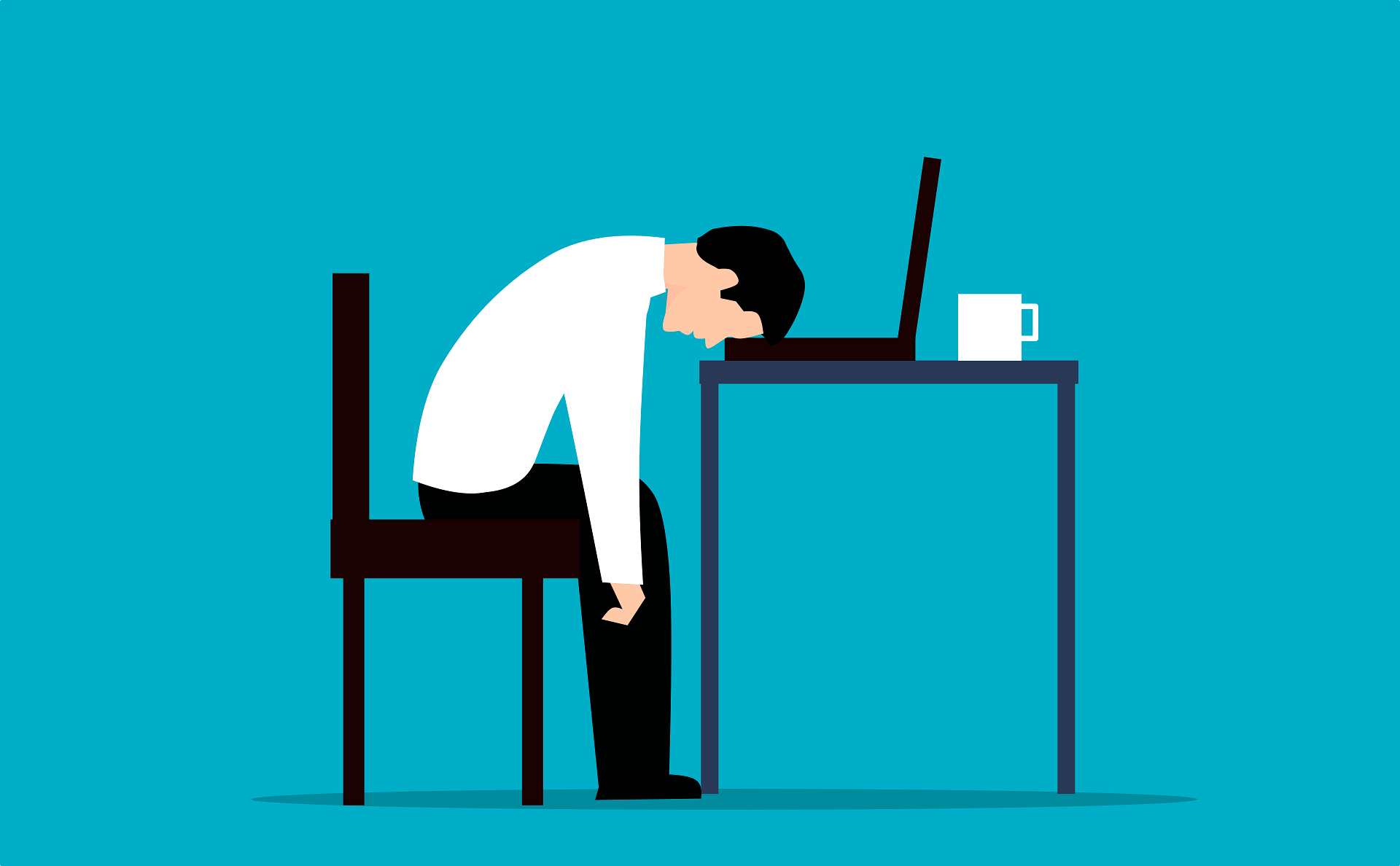
It followed me into my evenings, my meals, and even my sleep. I would physically be at home, but mentally I was still replying to emails, replaying conversations, and worrying about unfinished tasks. I assumed this was just part of being responsible and ambitious. What I didn’t realize was that work stress wasn’t just affecting my productivity it was slowly eating into my personal life.
What finally changed things wasn’t a long vacation, a strict routine, or quitting my job. It was a small, intentional five-minute method that helped me draw a clear line between work time and personal time. That boundary, once missing, changed everything.
I Didn’t Realize How Much Work Stress I Was Carrying Home
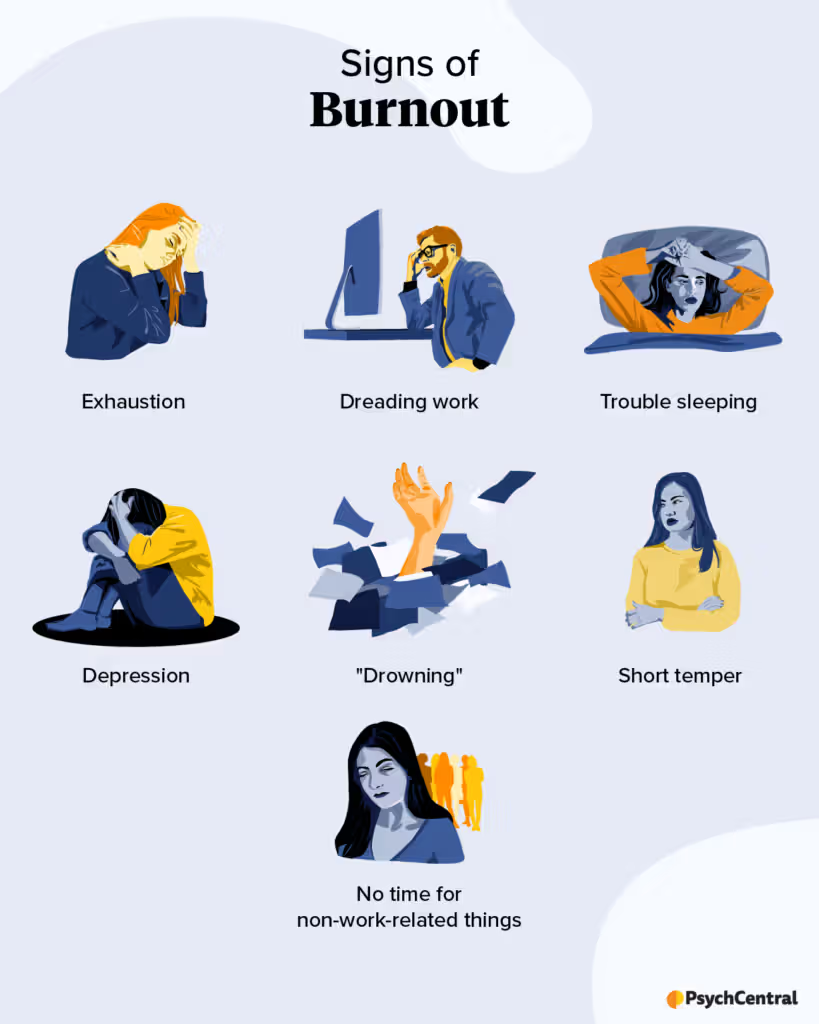
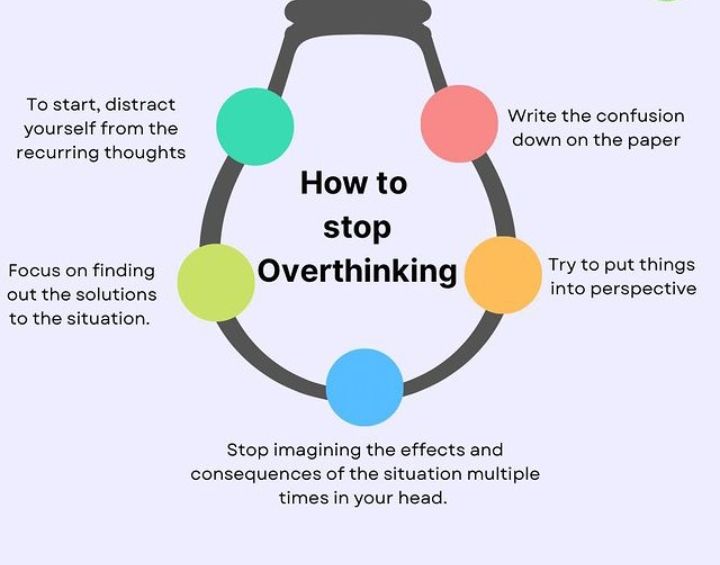
At first, the signs were subtle. I felt restless during dinner. I checked my phone without realizing why. Conversations felt half-present because my mind kept drifting back to work problems. Even on weekends, I couldn’t fully relax. My body was resting, but my brain never shut down.
The worst part was that I normalized it. I told myself this was what being “driven” looked like. But over time, the constant mental load started affecting my mood, my relationships, and my ability to enjoy simple moments. I wasn’t burned out from working too much I was burned out from never stopping
Why Traditional Advice Never Worked for Me

I tried everything people usually suggest. I exercised after work. I watched shows to distract myself. I scrolled endlessly on my phone. I even tried meditation apps. While these things helped temporarily, the stress always returned. The problem wasn’t that I didn’t know how to relax—it was that I never gave my mind closure.
My brain stayed alert because it felt unfinished. Unanswered emails, unresolved tasks, and vague worries kept looping in the background. No amount of entertainment could quiet that noise because my mind still believed it was “on duty.”
The Moment I Realized I Needed a Transition, Not Relaxation
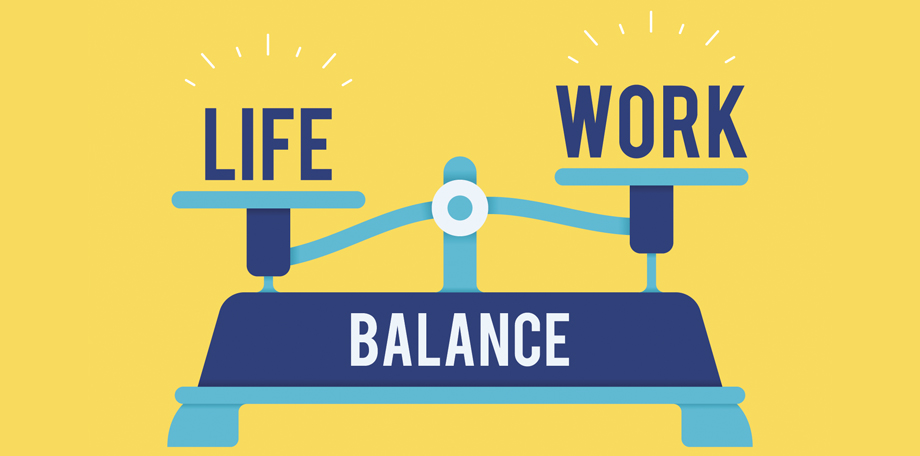
Everything changed when I realized that the real issue wasn’t stress—it was transition. I was jumping directly from work mode into personal time without any mental bridge in between. Expecting my brain to instantly relax was unrealistic.
Work had a clear start, but no clear ending. Without a defined endpoint, my mind kept carrying responsibilities forward. What I needed wasn’t another coping tool—it was a way to officially end my workday.
The 5-Minute Method That Created a Clear Boundary
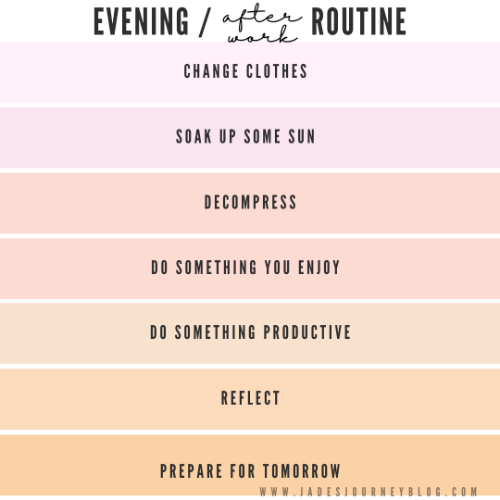
Now, every day, I follow the same five-minute method before shifting into personal time. It’s simple, flexible, and realistic even on exhausting days.
First, I write down everything unfinished. Not neatly, not perfectly just a brain dump. Tasks, worries, reminders, random thoughts. This tells my brain, “You don’t need to hold onto this anymore.”
Second, I physically close all work-related tabs, apps, and notifications. I don’t leave anything half-open. That visual closure matters more than I expected.
Finally, I change my environment. Sometimes it’s washing my face. Sometimes it’s changing clothes. Sometimes it’s stepping outside for fresh air. That physical shift reinforces the mental one.
Why This Method Works When Others Don’t
This method works because it respects how the brain actually functions. The brain doesn’t calm down when you tell it to it calms down when it feels safe to stop working. Writing things down gives it certainty. Closing work tools gives it visual confirmation. Changing environments signals that the context has changed.
Instead of fighting stress, I give my mind permission to rest. That permission is powerful.
How It Slowly Changed My Evenings
At first, the change was subtle. I still thought about work sometimes, but the thoughts felt quieter. Less urgent. Over time, my evenings started to feel like actual evenings again. I could enjoy meals without rushing. Conversations felt fuller. Silence felt peaceful instead of uncomfortable.
I didn’t become stress-free but stress stopped dominating my personal time.
The Unexpected Emotional Shift I Didn’t Expect
One surprising change was how much guilt disappeared. I used to feel guilty for resting, as if I hadn’t “earned” it. This method reminded me that rest isn’t a reward it’s a requirement. Work would still be there tomorrow, but my personal life deserved protection today.
That mindset shift alone lifted a huge emotional weight.
Why This Works Even on Bad Days
The beauty of this method is that it doesn’t rely on motivation. Even on days when I’m exhausted, frustrated, or overwhelmed, five minutes feels doable. I don’t need energy or discipline just intention.
That’s why it stuck. It wasn’t perfect. It was realistic.
How My Personal Life Finally Got Its Space Back

Slowly, my personal time stopped feeling like leftover time. It became protected space. Space to rest, connect, and exist without pressure. Work stopped being the background noise of my entire life.
I didn’t change my job. I didn’t work less. I just learned how to stop working mentally.
Final Thoughts
If work stress keeps leaking into your personal life, the solution may not be doing more to relax it may be learning how to properly stop. A simple five-minute transition can create the boundary your mind has been craving. You don’t need a perfect routine or dramatic changes. You just need a clear ending.
Sometimes, five intentional minutes are enough to give your life back its balance.