










It comes from the constant pressure to move quickly, respond instantly, and stay mentally alert at all times. Even when there is free time, the mind rarely feels calm. Slowing down does not mean abandoning responsibilities. It means changing how we move through them.
The Illusion of Being Busy All the Time

Many people feel busy even on days when little is actually accomplished. This happens because the mind is constantly switching between tasks, notifications, and expectations. Jumping between activities creates mental fatigue without producing real satisfaction. Life feels rushed not because there is too much to do, but because attention is scattered throughout the day.
Why Speed Has Become the Default Setting
Technology has trained us to expect instant results. Messages arrive immediately, content loads instantly, and responses are expected quickly. Over time, this speed becomes the default pace of life. When everything moves fast, slowing down can feel uncomfortable, even when it is needed. The body may rest, but the mind stays alert, waiting for the next interruption.
How Rushing Affects Daily Well-Being
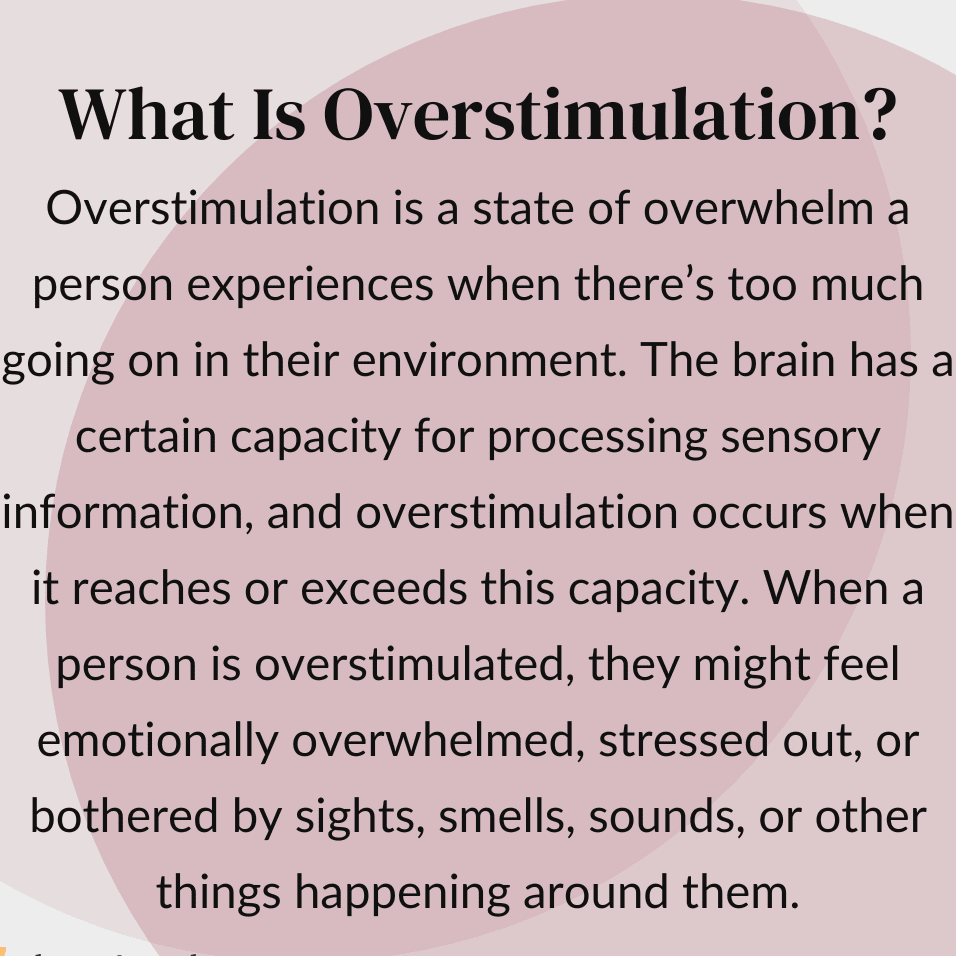
Living in a constant rush affects more than productivity. It reduces patience, shortens attention span, and increases emotional tension. Small tasks feel heavy. Simple moments lose their enjoyment. Over time, this pace can make life feel shallow and repetitive, even when it is full.
Slowing Down Starts With Awareness, Not Time
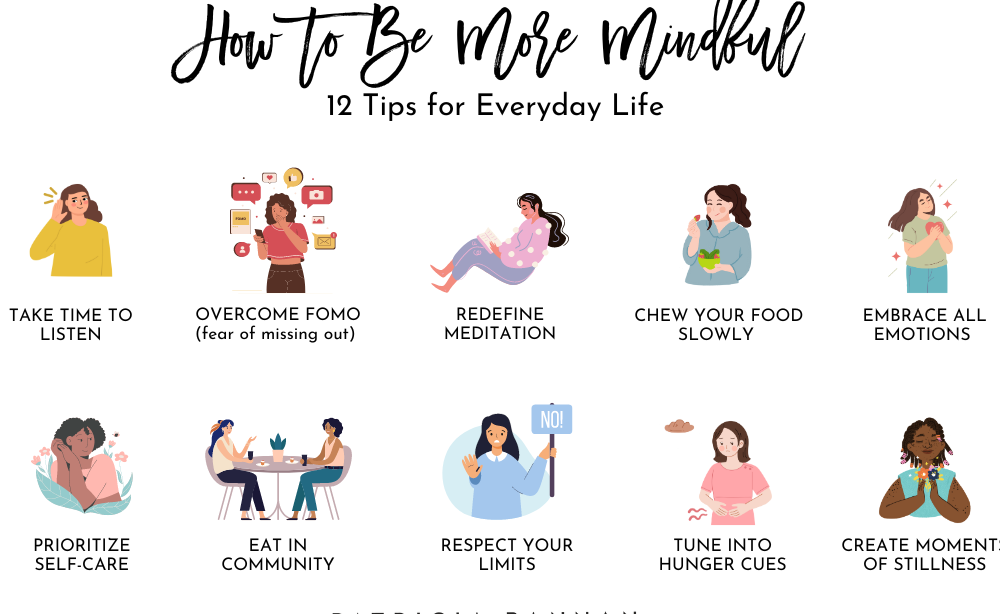
Most people think they need more free time to slow down. In reality, slowing down begins with awareness. Noticing how often the mind jumps ahead or replays the past creates space for change. Awareness helps break automatic habits that keep life feeling rushed without adding more tasks to the day.
Creating Slower Moments Inside a Busy Day

Slowing down does not require a slower schedule. It requires slower moments within the schedule you already have. Eating without distractions, walking without rushing, and focusing on one task at a time changes how the day feels. These moments create mental breathing room even on busy days.
Letting Go of the Pressure to Be Constantly Available
One of the biggest sources of rush is the pressure to always be reachable. Messages, calls, and updates create a sense of urgency that rarely reflects real importance. Creating small gaps between responses helps restore control over attention. Life feels calmer when availability becomes a choice rather than an obligation.
Why Doing One Thing at a Time Feels So Different
Single-tasking feels unfamiliar in a multitasking world, but it reduces mental noise significantly. When attention stays with one activity, the mind relaxes. Tasks feel lighter. Time feels slower. This shift does not reduce efficiency. It improves clarity and emotional balance.
Redefining Productivity in Everyday Life
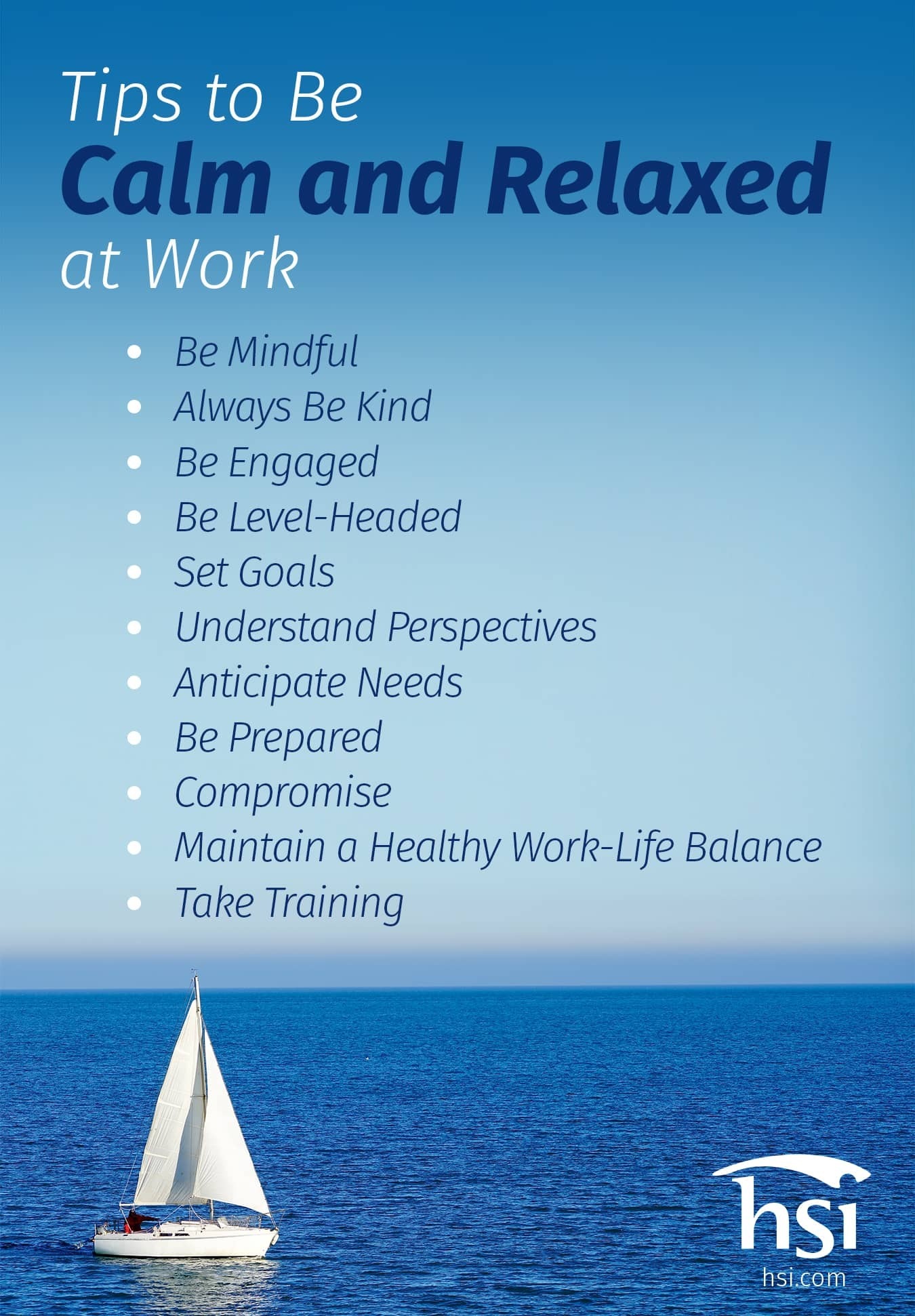
Productivity is often measured by speed and volume. A healthier definition focuses on clarity and completion. Finishing fewer tasks with full attention creates more satisfaction than rushing through many tasks without presence. Slowing down improves quality, not just mood.
How a Slower Pace Improves Emotional Balance
When life slows down internally, emotions become easier to manage. Stress reactions soften. Patience increases. Small problems feel less overwhelming. A slower pace allows space for reflection instead of constant reaction. Over time, this creates emotional stability that carries into all areas of life.
Building a Lifestyle That Feels Spacious Again

A spacious life is not empty. It is uncluttered mentally. By reducing urgency, limiting distractions, and choosing presence over speed, life regains depth. Days feel fuller, not because more happens, but because moments are actually experienced.
Final Thoughts
Modern life encourages speed, but well-being depends on pace. Slowing down does not mean falling behind. It means moving through life with awareness instead of urgency. When attention becomes intentional, even busy days feel calmer. The goal is not to escape modern life, but to experience it without constantly rushing through it.